12 Articles for a No-Fail Budgeting Guide | Tricks and Tips for Life
Take control of your money with my ultimate no-fail budgeting guide. Learn simple, actionable tips to save money, pay off debt, and reach your financial goals.
Home » Article » No Fail Budgeting Guide
12 Articles for a No-Fail Budgeting Guide
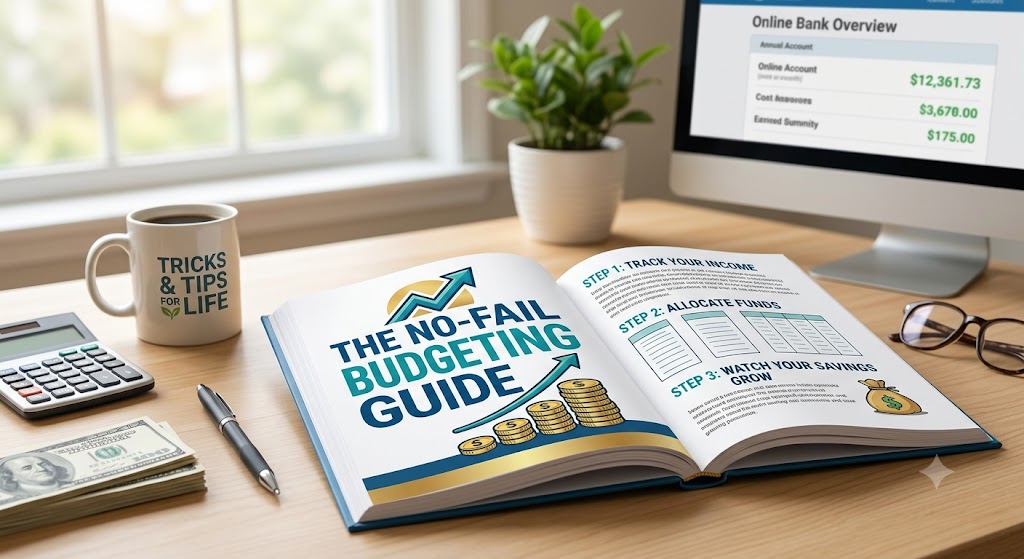
Before investing one dollar into the stock market you need to do several things. Start by eliminating high interest debt, create a 3 to 6 month emergency fund, establish a foundation for a cash flow plan, and then ensure the capital you do end up investing won't be needed for at least 5 years. To tackle high interest debt you simply need to stop carrying credit card balances because credit card balances is like a negative investment. When you carry a credit card balance you are paying somebody else money for the money they loaned you. You can start tackling that high interest debt by paying off all debts that have more than a 6% interest rate.
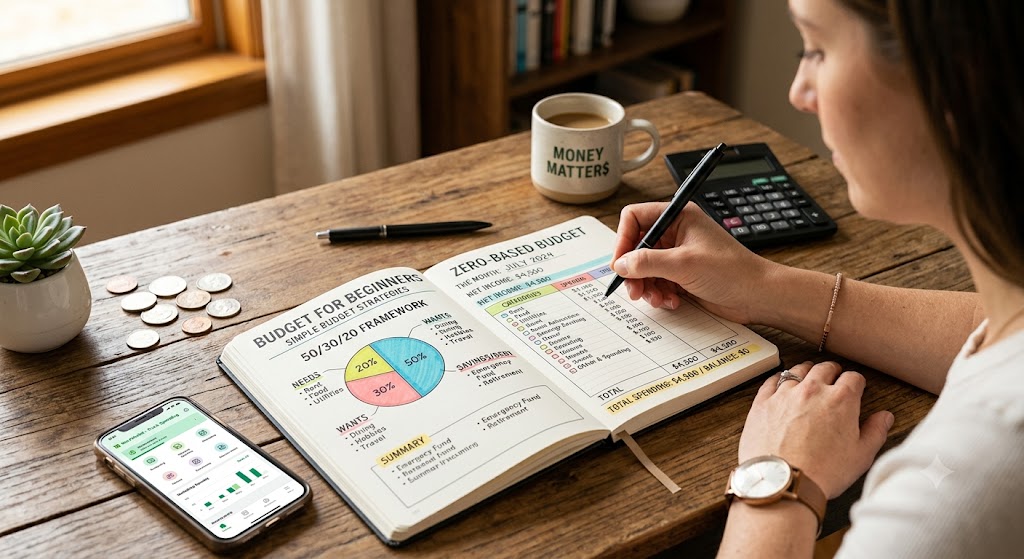
When you build an emergency fund, you keep 3 to 6 months of essential living expenses (housing, utilities, groceries, and a car payment if you have one) in a high-interest savings account that is relatively risk-free. By doing so, you will have the money you will need for a sudden job loss or medical bills. I personally keep at least one years worth of my monthly expenses in a high-interest savings account. That way, if I should have a sudden loss of income, I can still live for at least one year with absolutely no income. The standard budgeting framework is a structured approach to ensure your bills get paid, some of your wants get met, and constantly investing money. This budgeting framework rule is 50/30/20. You're basically taking each after-tax paycheck and dividing it up into three buckets.
Bucket one, 50%, for your needs; these needs consist of housing, groceries, utilities, and automotive expenses. These are considered the absolute minimum you need to survive. Bucket two, 30% of your after-tax paycheck, which gets applied to dining out, entertainment, and travel. Bucket three, 20% of your net paycheck, goes into savings and investing; you apply this money to retirement accounts, emergency fund replacement, and taxable brokerage accounts. Proper allocation of investment dollars would be, employer 401K match plans, tax-advantaged accounts, low-cost index funds and ETFs, and using automation to automatically invest in specific stocks or funds. In the articles below, I will explain how you can build your no-fail budgeting strategy.
The Full Series for a No-Fail Budgeting Guide
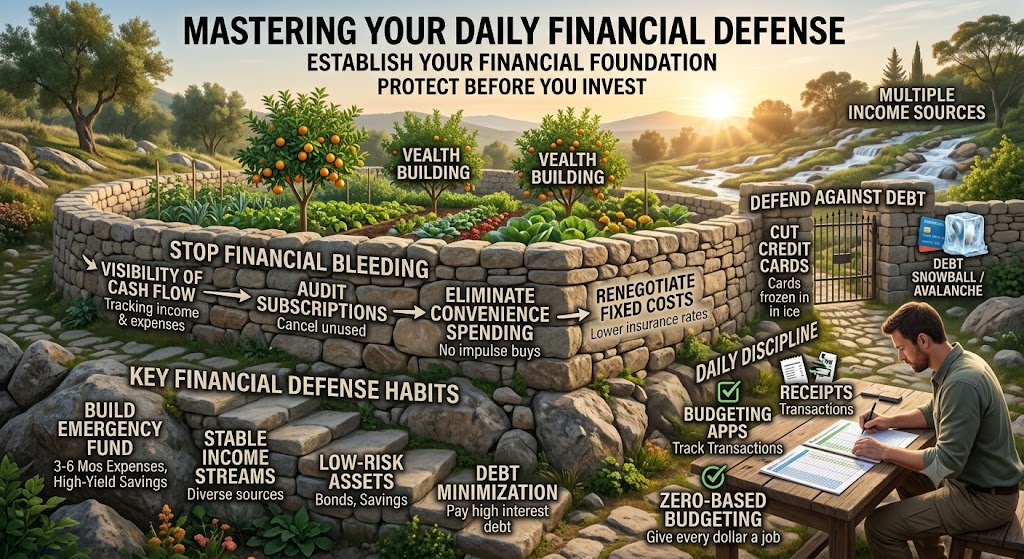
1. Mastering Your Daily Financial Defense
1. Mastering Your Daily Financial Defense
Before anyone can invest, you have to stop the financial bleeding. Build a rock-solid financial foundation before you invest. Learn how to stop financial bleeding, eliminate debt, budget effectively, and protect your wealth.
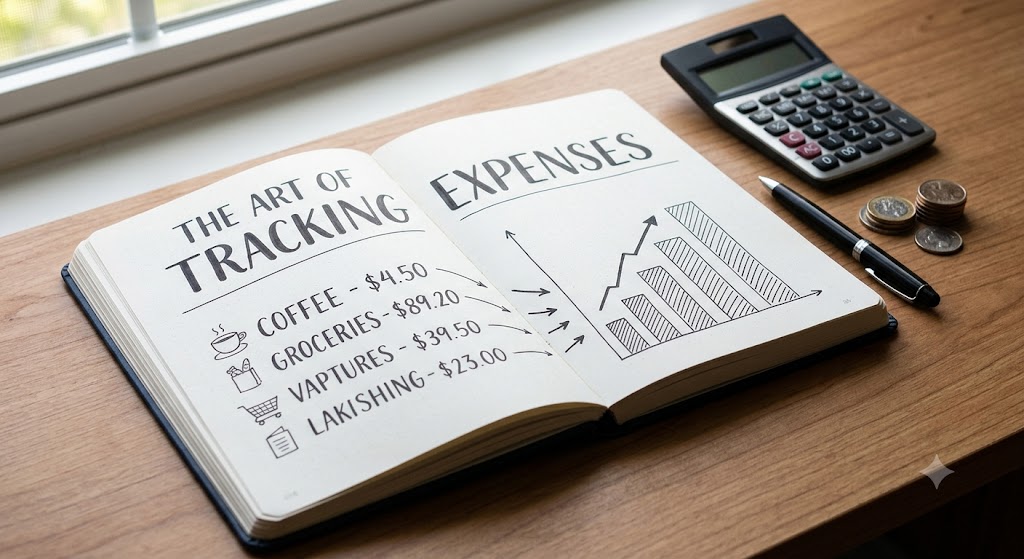
2. The Art of Tracking Expenses
2. The Art of Tracking Expenses
Ready to know exactly where every cent goes? Discover the art of tracking expenses to build a successful budget and save up to 15% more of your income. Leaving behind a guessing game for knowing exactly what you spend, down to the last red cent, and where your hard earned money is going.
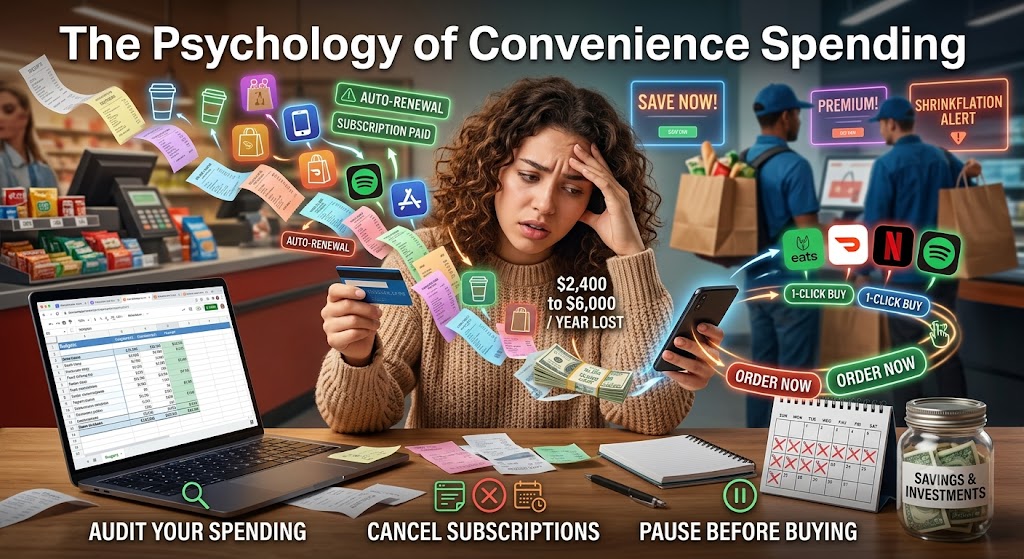
3. The Psychology of Convenience Spending
3. The Psychology of Convenience Spending
Discover the hidden psychology of convenience spending. Stop impulse buying, escape subscription traps, and regain control of your personal budget today. Unpacking how subscription traps, delivery apps, and impulse buys drain a paycheck before it even hits the bank account.
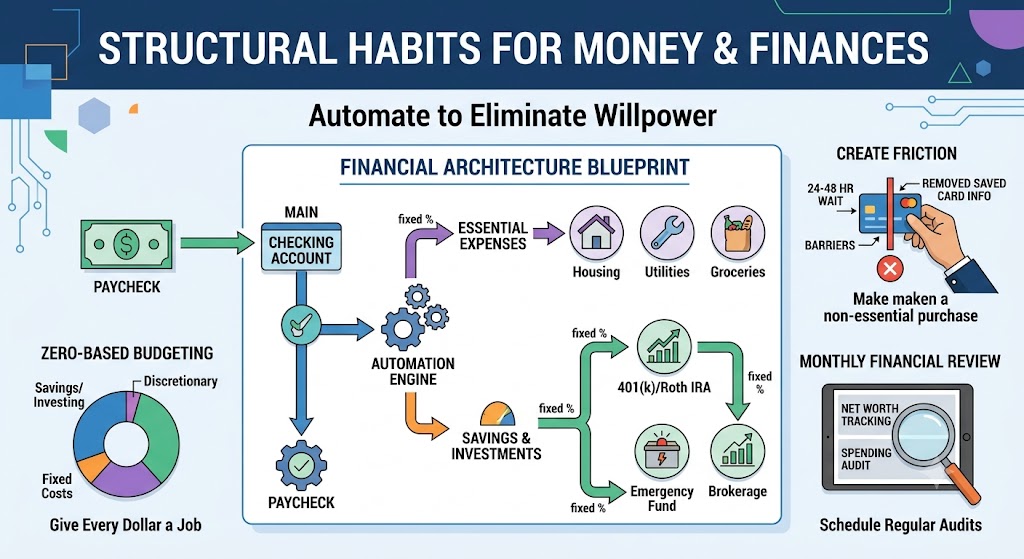
4. Structural Habits for Money and Finances
4. Structural Habits for Money and Finances
Transform your relationship with money. Discover the blueprint for building structural financial habits through automation, smart budgeting, and regular audits.
5. Budgeting for Beginners
5. Budgeting for Beginners
Master your money with this simple budget guide for beginners. Learn how to start budgeting using the 50/30/20 rule, easy tools, and avoid common mistakes
6. The Debt Snowball vs. Avalanche
6. The Debt Snowball vs. Avalanche
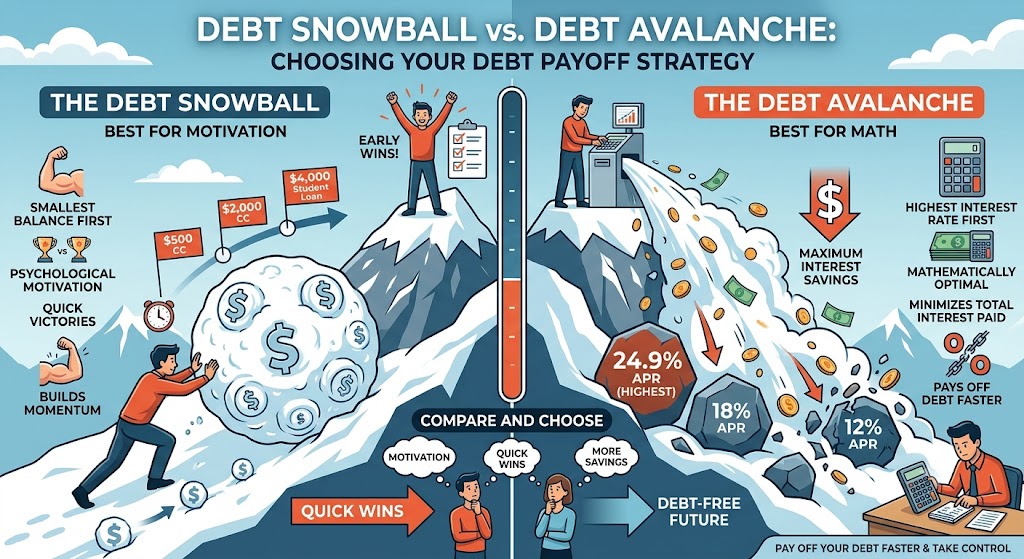
Debt snowball vs. debt avalanche: Which payoff method is right for you? Learn how to choose between quick psychological wins and maximum interest savings.
7. Future Building (The Wealth Multipliers)
7. Future Building (The Wealth Multipliers)
Stop trading time for money. Learn how to use compound interest, index funds, and strategic investing to build a self-sustaining wealth engine for the future.
8. The Emergency Fund Essentials
8. The Emergency Fund Essentials
Discover why saving 3 to 6 months of living expenses in an HYSA is the ultimate shield against debt. Learn how to calculate, build, and automate your fund.
9. The Foundations of Wealth
9. The Foundations of Wealth
Master the foundations of wealth. Learn how disciplined habits, smart investing strategies, and asset diversification build a self-sustaining engine for financial freedom.
10. Set a Fixed Investment Budget
10. Setting a Fixed Investment Budget
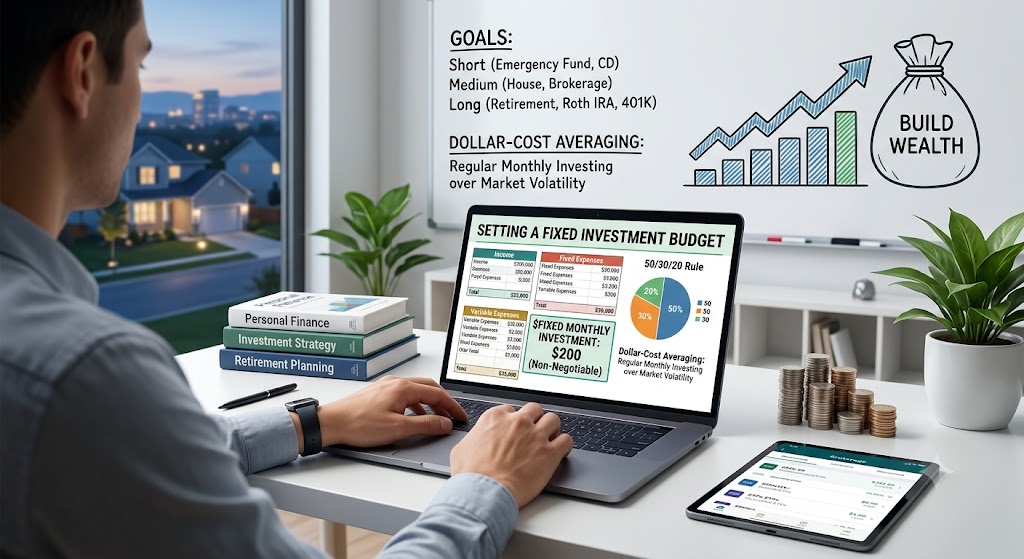
Master your finances by setting a fixed investment budget. Learn to use dollar-cost averaging, prioritize financial goals, and build long-term compounding wealth.
11. Align Investments with Goals and Risk Tolerance
11. Aligning Investments and Goals and Risk Tolerance
Learn how to align your investments with your goals and risk tolerance. Discover tips for portfolio diversification, rebalancing, and steady growth.
12. Stick to the Investment Plan
12. Stick to the Investment Plan
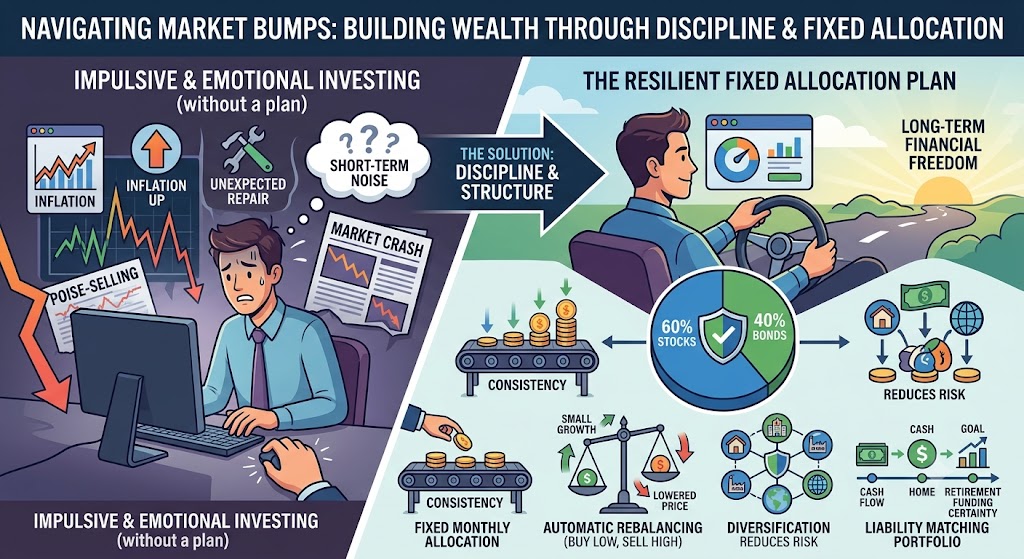
Discover how fixed asset allocation, liability matching, and disciplined budgeting protect your portfolio from market noise and build long-term wealth.
Disclaimer, Due Diligence Required: Financial markets, tax laws, and economic regulations change frequently and vary by jurisdiction. You should always perform your own independent research, complete thorough due diligence, and consult with a licensed financial advisor, certified public accountant (CPA), or legal professional before making any financial decisions or putting capital at risk. The owners and publishers of this website assume no liability for any financial losses or damages resulting from the use of this information.
12 Articles for a No-Fail Budgeting Guide | Tricks and Tips for Life