Top 10 Ways to Determine When You Need a Roof Replacement or Repair
Is it time for a new roof? Discover 10 critical signs you need a roof replacement or repair, from missing shingles to interior leaks. Protect your home today!
Home » Article » 10 Ways To Determine When You Need A Roof Replacement Or Repair
Top 10 Ways to Determine When You Need a Roof Replacement or Repair
To determine if your roof needs replacement or repair, assess its age, visible damage, and the extent of any issues.
Determining if you need a roof replacement or repair comes down to assessing the age of your roof, inspecting for external shingle and flashing damage, checking the attic for leaks, and evaluating the overall scope of the damage. When it's likely time to have a roof check from an independent roofing contractor, there are numerous warning indicators. Because roofing projects can be an unforeseen expense or annoyance to deal with, many homeowners detest the idea. However, if replacing an old roof is delayed, it could result in bigger problems that will need attention down the road.
- Check the Roof's Age:
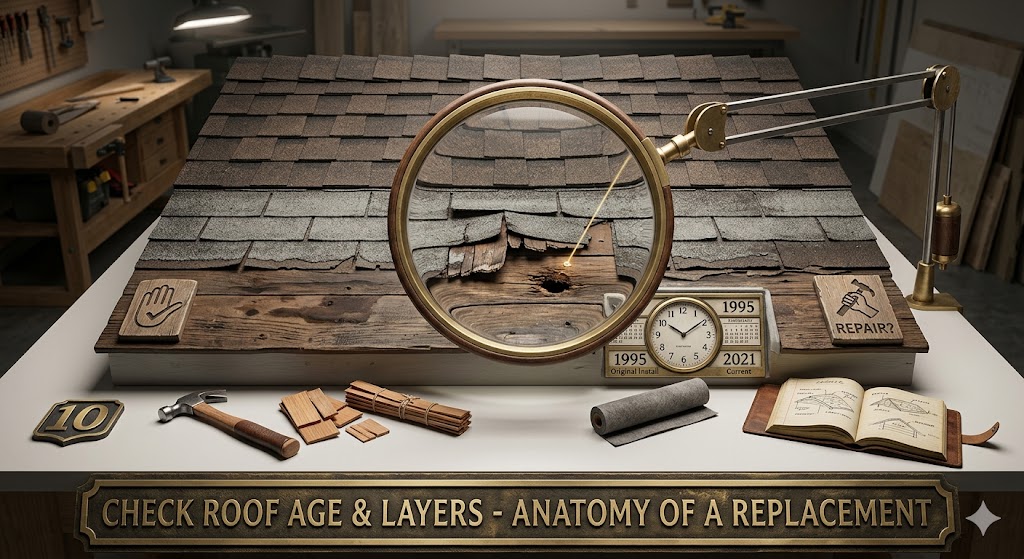
Depending on the material and temperature, most asphalt shingle roofs have a lifespan of 15 to 30 years.
Repair: If the damage is isolated and your roof is less than 15 years old.
Replace: If your roof was built over a prior layer of shingles, or if it is approaching or has outlived its anticipated lifespan.
- Visible Damage:
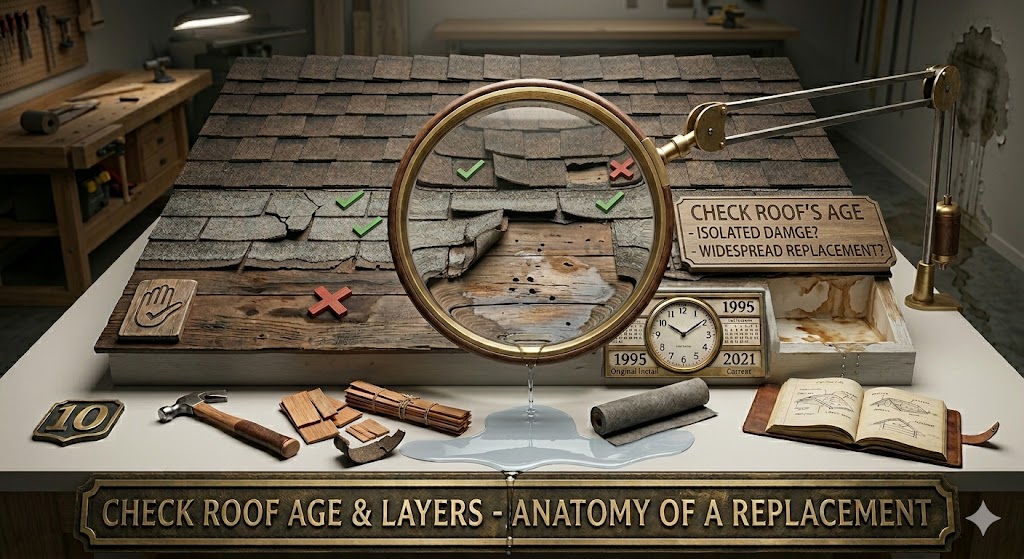
Check for shingles that are broken, curled, or missing. Widespread damage may suggest that the entire roof has to be rebuilt, although a few damaged shingles are frequently replaceable.
Water stains on walls or ceilings are an obvious indication of leaks, which, if left unchecked, can result in more serious structural problems.
- Extent of Damage:
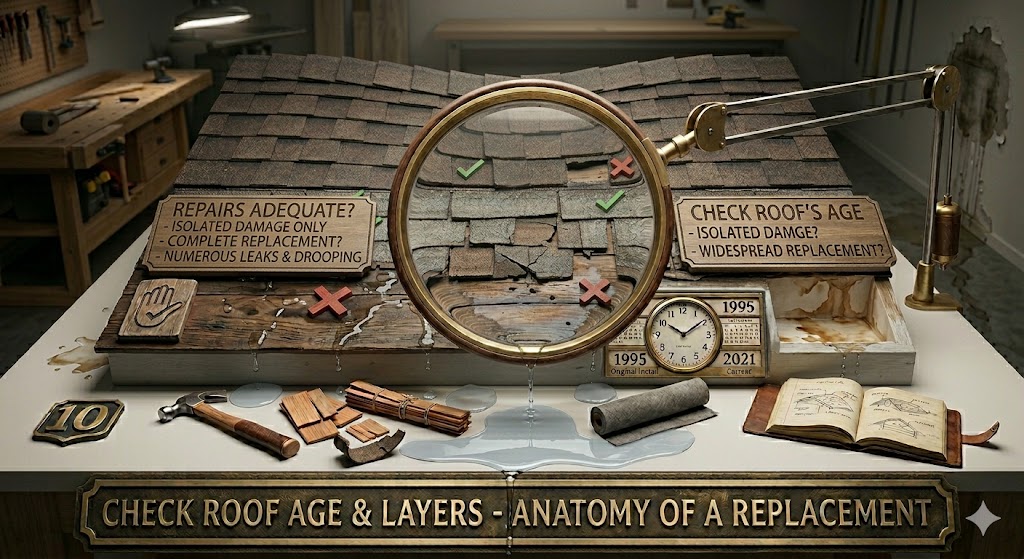
Repairs might be adequate if the damage is isolated (a few shingles, for example). However, a complete replacement can be required if there are numerous leaks, drooping sections, or significant damage.
Sagging roofs are examples of structural problems that frequently indicate a damaged roof's integrity and call for repair.
- Cost Considerations:
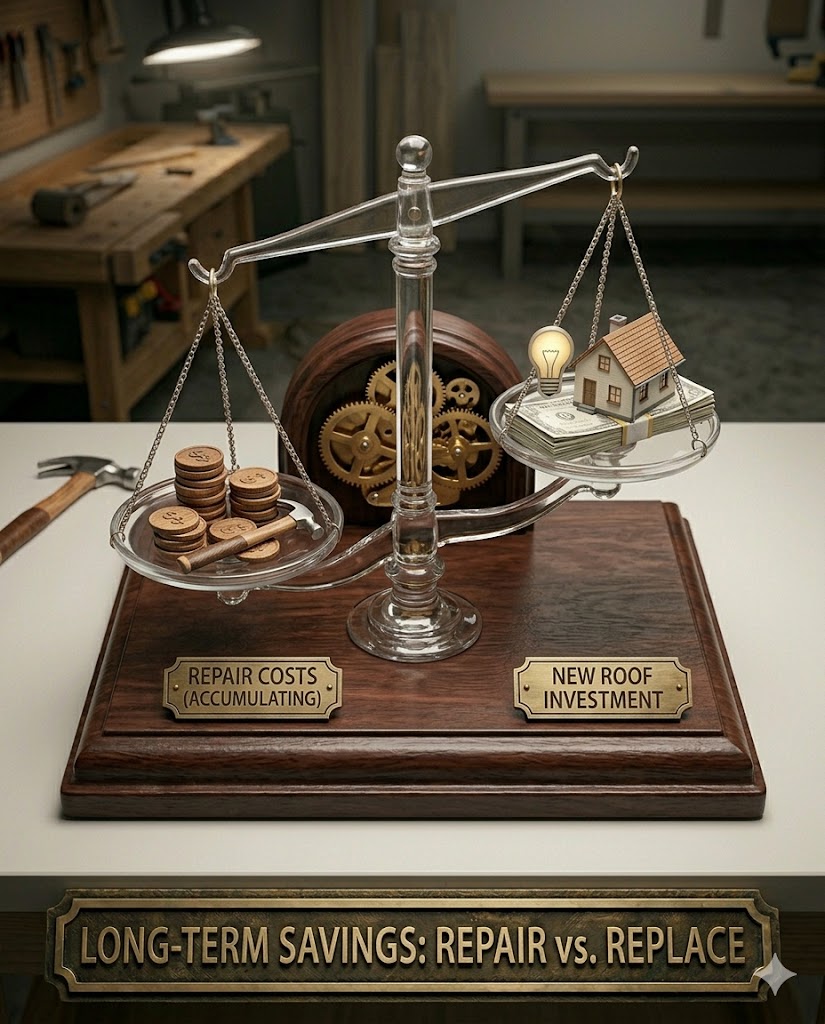
Over time, the cost of frequent repairs may increase. Investing in a new roof can be more cost-effective if you find yourself needing repairs on a regular basis.
If you intend to stay in your house for a number of years, take into account the long-term advantages of a new roof, such as enhanced energy efficiency and a higher property value.
- Professional Inspection:
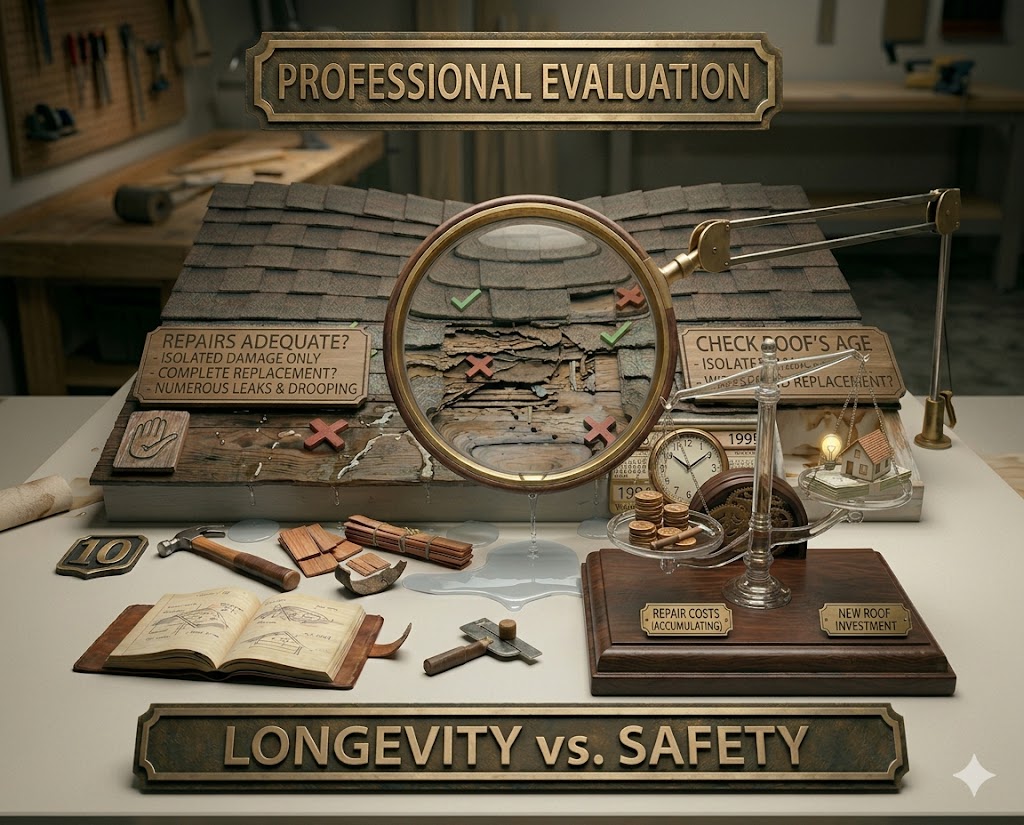
Frequent professional roof inspections might help find possible problems before they become more serious. They can offer a comprehensive evaluation and suggest if replacement or repair is the best option.
You can ensure the longevity and safety of your house by weighing these considerations when deciding whether to replace or repair your roof. If you're unsure, speaking with a roofing expert can offer clarification and situation-specific advice.
Advertisement
 Hosting Renewal Goal: $0 / $400 raised, updated daily.
- Examine the Interior and Attic Ceilings:
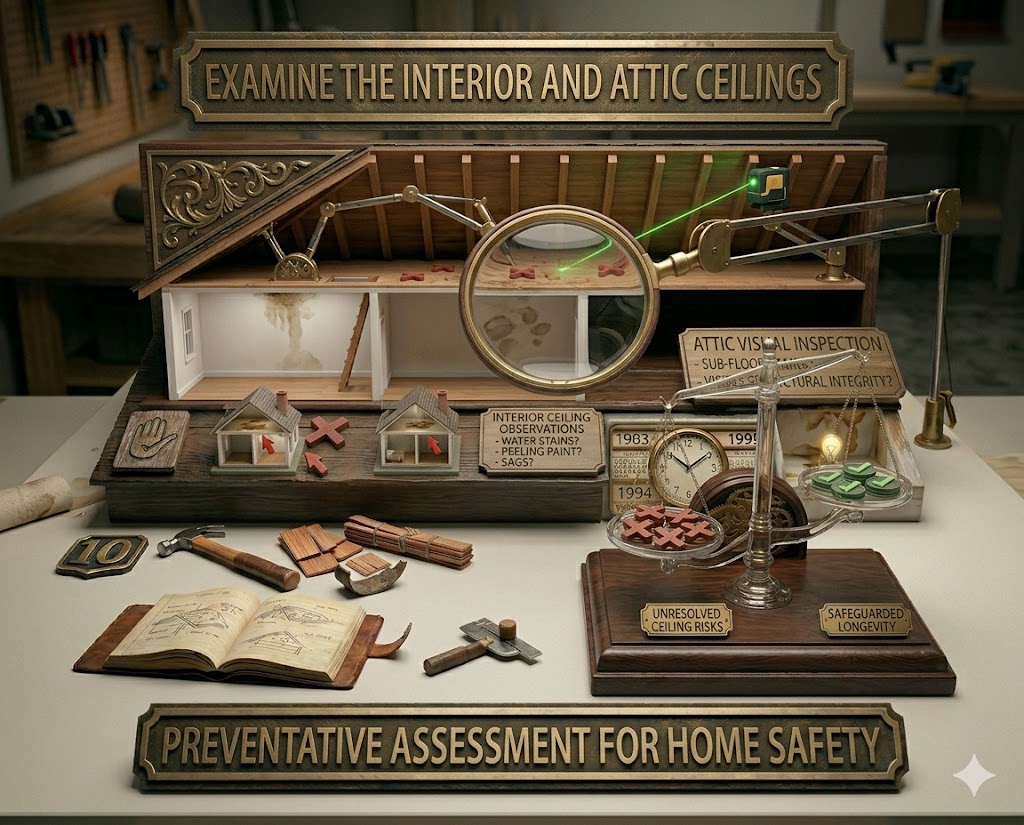
Go up to your attic on a sunny day to check for any weaknesses. Here, flaws like obstructed ventilation, moisture intrusion, or structural problems might shorten the roof's lifespan and performance. Before tear-off, a professional attic inspection helps identify issues early and guarantees the replacement is built on a solid foundation for your replacement roof.
Repair: The underlying roof leak can be fixed in addition to small, isolated stains.
Replace: If you see big beams of daylight penetrating the roof boards, obvious sagging or drooping rooflines, or numerous water stains in different places.
- Check the Gutters and Flashings:
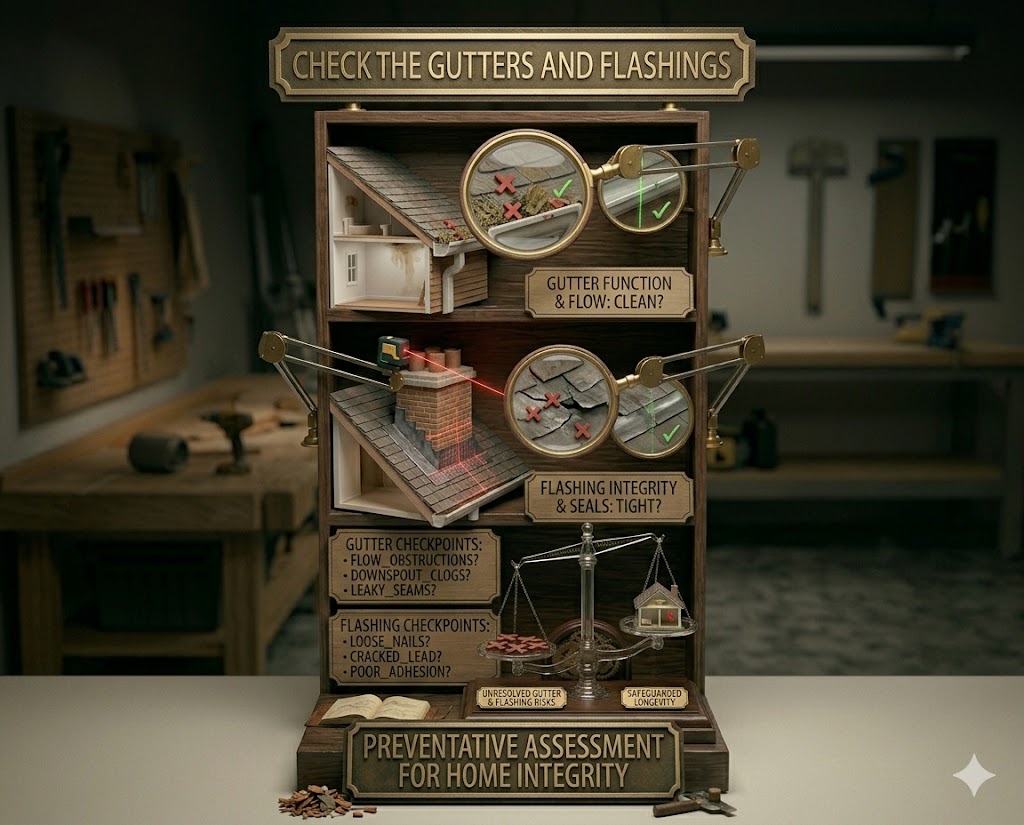
Examine the gutters and the metal flashing surrounding vents, skylights, and chimneys.
Repair: If the flashing can be resealed and is only rusting or slightly pulled away.
Replace: If the roof decking is rotting beneath, the flashing is missing, or it is significantly cracked.
- Dark Streaks:
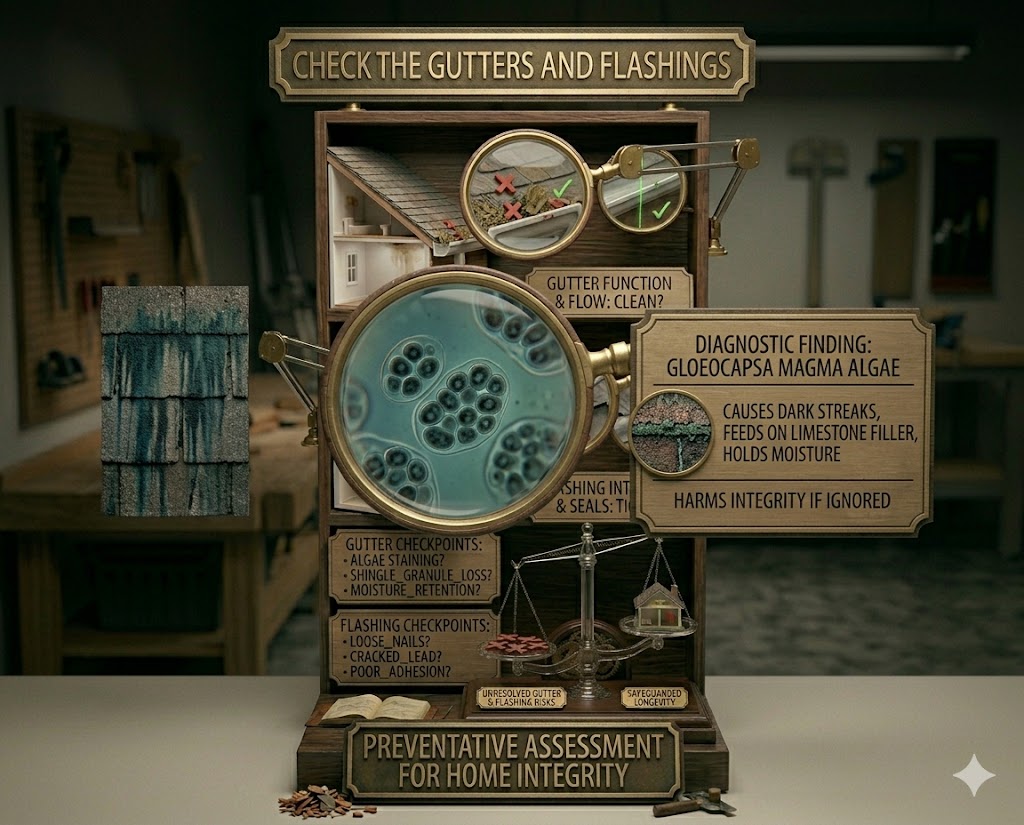
Gloeocapsa magma, a form of airborne blue-green algae, is the main cause of those dark streaks on your asphalt shingles. This algae feeds on the limestone filler in your tiles and holds onto moisture, which can hasten degradation if ignored, even though it is mainly a cosmetic problem.
- Moss Growing:

Particularly in cool, humid areas, moss can develop on roof surfaces that receive little sunshine. Although moss growth may be aesthetically pleasing, it can retain moisture on the roof's surface and eventually harm the granules on top of the tiles in cold areas. Moss can be removed from the surface, but doing so won't stop it from growing again, and doing so could harm the shingle's top. Additionally, you should exercise extreme caution when going on your roof or using a ladder. You might need to get in touch with a qualified roofing contractor.
- Obtain Several Expert Estimates:
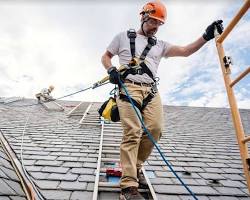
Consult with qualified local experts to accurately assess the roof's structural soundness before choosing an expensive project.
Take action: Get at least three free estimates from area roofers by searching directories such as Angi or HomeAdvisor.
Note: To prevent long-term structural damage to your home, a replacement roof is strongly advised if it needs regular repairs every season or if your insurance carrier rejects coverage because of the roof's age and condition.
Disclaimer, No Liability: The authors and publishers of this website are not professional contractors and assume no liability or responsibility for any injury, damage, or financial loss resulting from the use or misuse of the information provided herein. All DIY projects are undertaken entirely at your own risk.
Related Articles
Advertisement

Top 10 Ways to Determine When You Need a Roof Replacement or Repair | Tricks and Tips for Life


Comments and Questions
Please log in to leave a comment or ask a question. Don't have an account? Register here.