6 Steps on How to Troubleshoot an AC Unit That's Blowing Warm Air
Learn how to troubleshoot an AC unit blowing warm air with our 6-step guide. We cover thermostat settings, dirty filters, condenser coils, and refrigerant issues.
Home » Article » 6 Steps On How To Troubleshoot An Ac Unit Thats Blowing Warm Air
6 Steps on How to Troubleshoot an AC Unit That's Blowing Warm Air
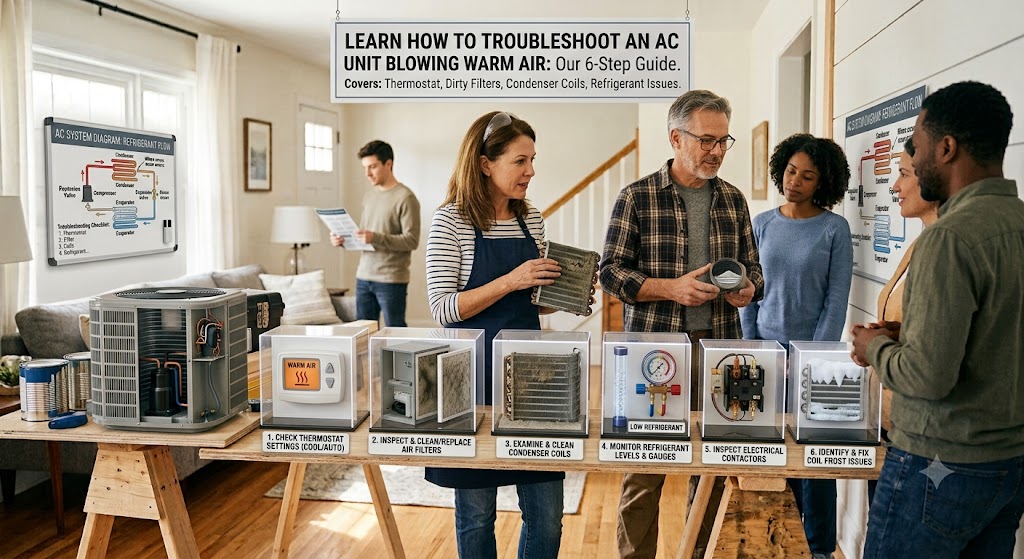
If your AC unit is blowing warm air, turn the thermostat to "Cool" and the fan to "Auto". This will prevent the fan from continuously circulating room-temperature air. Next, look for obstructions in the outdoor condenser unit and air filter, which are the most frequent causes. A setting fault, an airflow restriction, or a refrigerant issue are typically the causes of your air conditioner blowing warm air rather than chilly. Here's a step-by-step guide on diagnosing and fixing it.
- Check The Thermostat Settings:
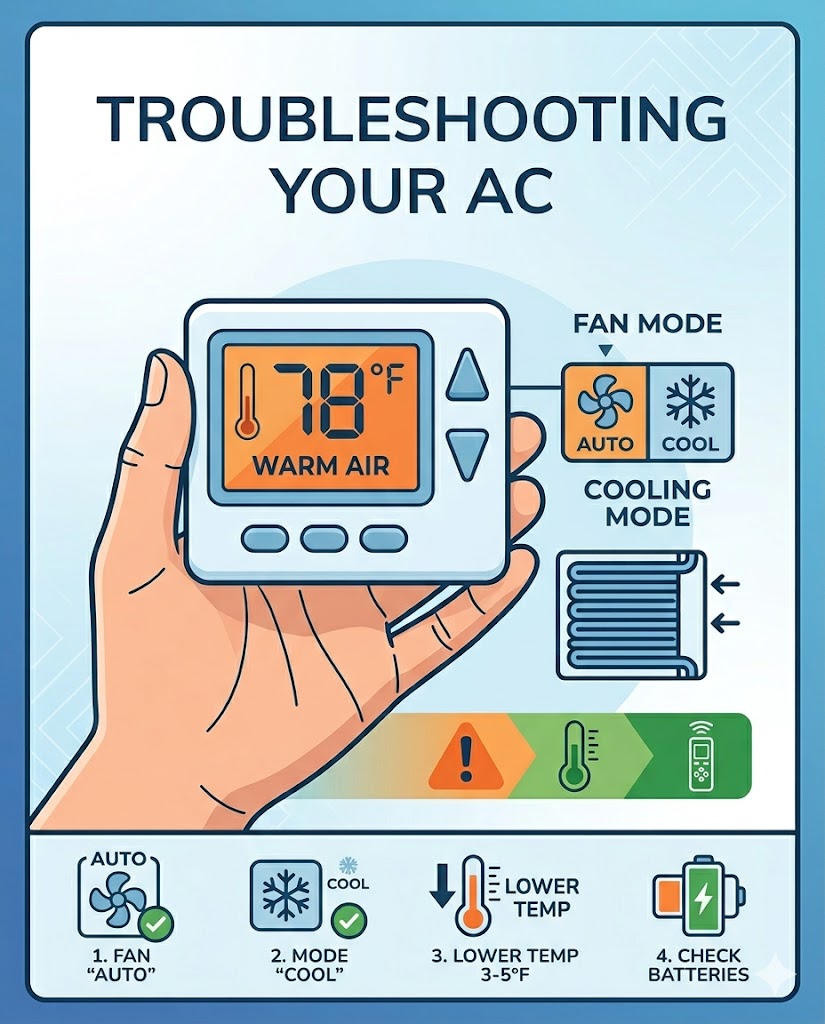
Make sure the fan is on "Auto" rather than "On" and the thermostat is set to "Cool."
To initiate cooling, lower the temperature by at least 3 to 5 degrees Fahrenheit.
Make sure your manual setting isn't being overridden by schedules if you have a programmable thermostat.
If the batteries in digital thermostats are low, replace them because this might lead to unpredictable behavior.
- Examine The Air Filter:
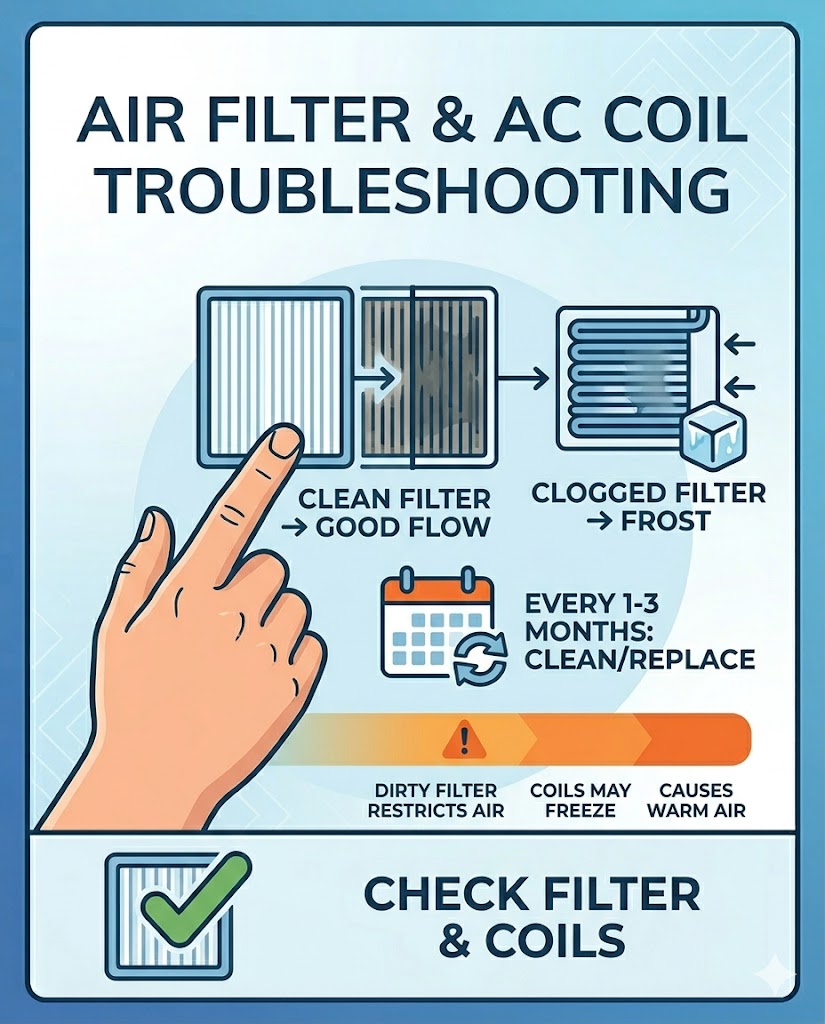
A dirty or clogged filter restricts airflow over the evaporator coils, preventing effective cooling.
Every one to three months, depending on consumption, replace or clean the filter.
The coils may freeze and thaw, creating warm air, if ventilation is significantly constrained.
- Examine the Condenser Coils and Outside Unit:
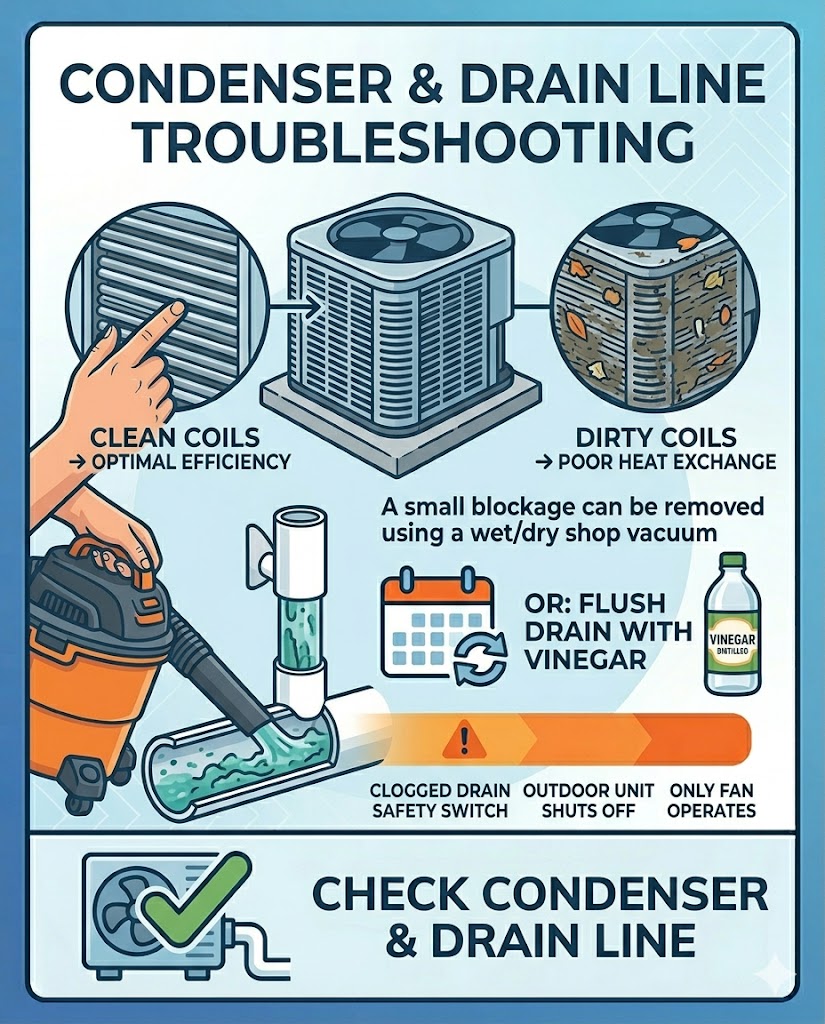
Make that the condenser coils are unobstructed and the outside unit is free of debris.
Poor cooling results from dirty coils, which lower heat exchange efficiency.
The safety switch will turn off the outdoor cooling unit to prevent flooding if the drain line is clogged with algae or debris, leaving only the fan operating. A small blockage can be removed using a wet/dry shop vacuum or by using distilled vinegar to flush the drain pipe.
Advertisement
 Hosting Renewal Goal: $0 / $400 raised, updated daily.
- Look for Refrigerant Issues:
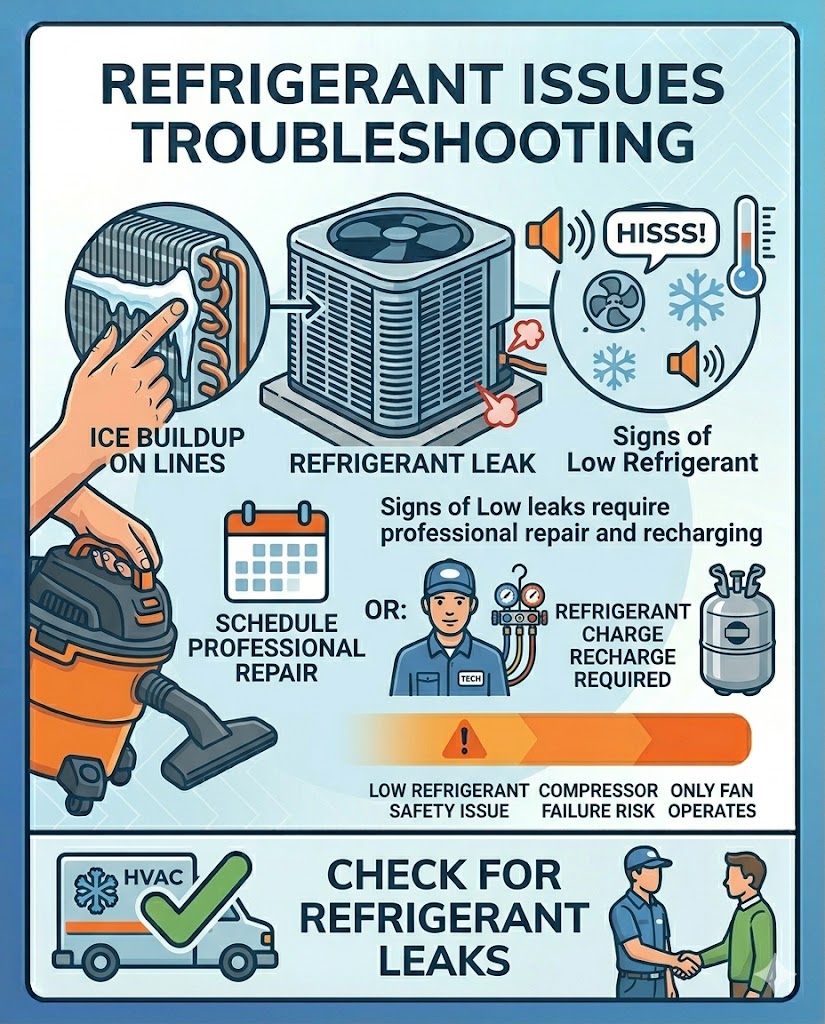
Warm air is produced because low refrigerant levels are unable to efficiently absorb heat.
Signs include hissing noises, ice buildup on refrigerant lines, and reduced cooling capacity.
Refrigerant leaks require professional repair and recharging.
- Check for Compressor or Electrical Problems:
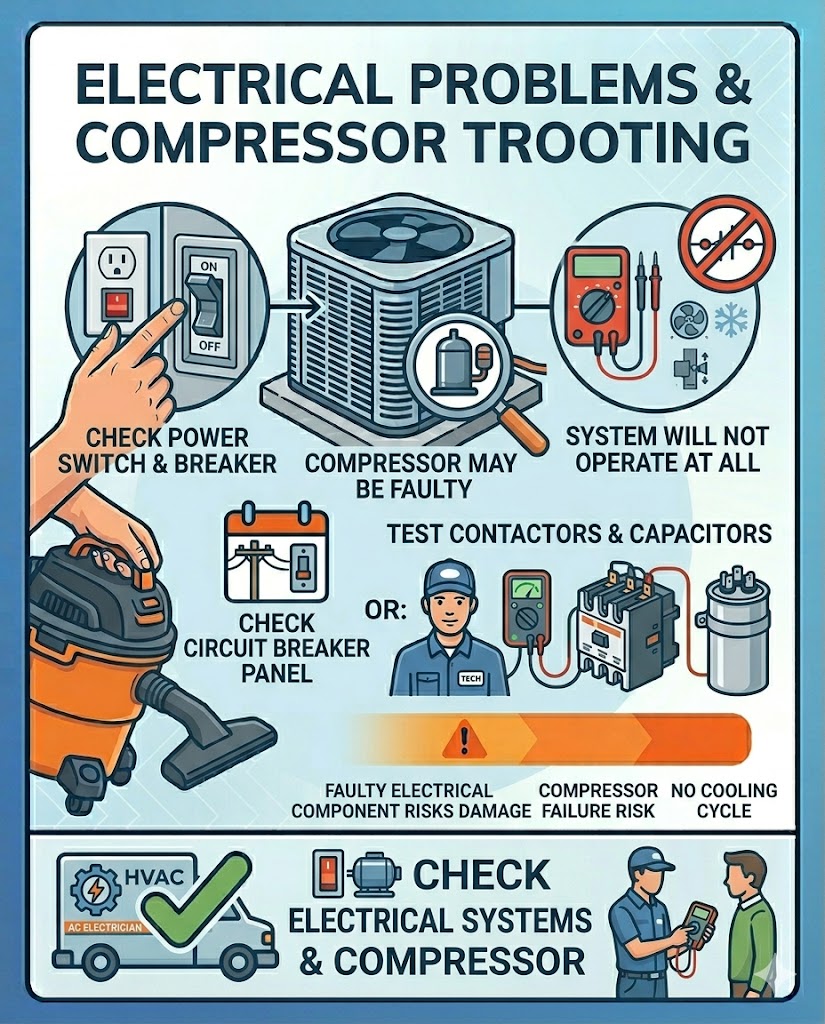
A faulty compressor or electrical fault can stop the cooling cycle.
Check the power switch and circuit breaker if the system won't operate at all.
- Position and Calibration of the Thermostat:
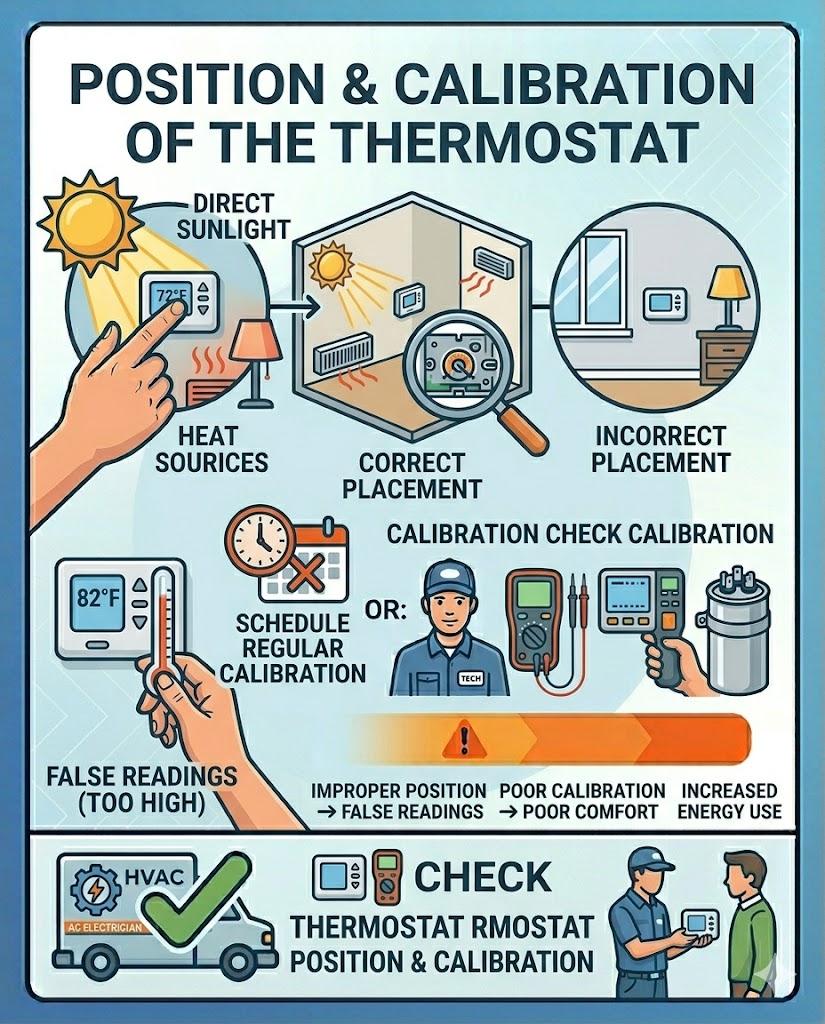
The thermostat may read higher than the real room temperature if it is placed in direct sunlight or close to heat sources.
When to Call a Professional
Get in touch with an HVAC specialist if thermostat and filter checks don't fix the problem and you suspect refrigerant leakage, compressor failure, or electrical issues. These repairs might be expensive and call for certain equipment.
Quick DIY Checklist Before Calling a Pro:
- Thermostat set to "Cool" with fan "Auto"
- Filter replaced/cleaned
- Outdoor unit clear and coils clean
- No unusual noises or ice buildup
- Thermostat location not overheated
If the issue continues, a professional diagnosis is the safest and most efficient course of action. However, you can usually find and address the source of warm air coming from your air conditioner by following these steps.
Disclaimer, No Liability: The authors and publishers of this website are not professional contractors and assume no liability or responsibility for any injury, damage, or financial loss resulting from the use or misuse of the information provided herein. All DIY projects are undertaken entirely at your own risk.
Related Articles
Advertisement

6 Steps on How to Troubleshoot an AC Unit That's Blowing Warm Air | Tricks and Tips for Life

Comments and Questions
Please log in to leave a comment or ask a question. Don't have an account? Register here.