5 Tips How to Spot Hidden Main Line Water Leaks Behind Drywall
Suspect a leak? Discover 5 proven tips to spot hidden water line leaks behind your drywall before they cause major damage. From water meter tests to identifying musty odors, learn how to protect your home today.
Home » Article » 5 Tips How To Spot Hidden Main Line Water Leaks Behind Drywall
5 Tips How to Spot Hidden Main Line Water Leaks Behind Drywall
It takes a combination of visual investigation, diagnostic equipment, and water consumption analysis to find a hidden main-line water leak under drywall. By examining your home's water meter, looking for musty smells or peeling paint, and using equipment like moisture meters or thermal cameras, you can rapidly identify a leak.
- The Water Meter Test:
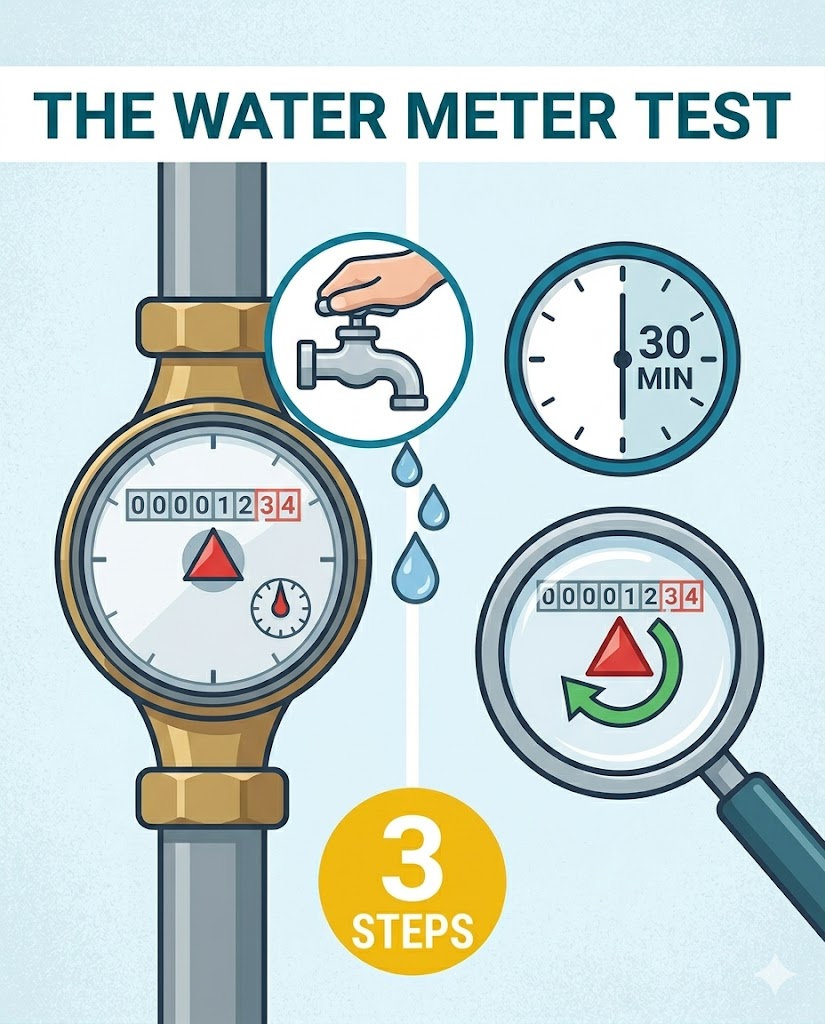
Your water meter is the best source of information if a main line is leaking.
Step 1: Switch off all water-using appliances, ice machines, and faucets both inside and outside.
Step 2: Find your water meter, which is typically in the basement or close to the street, and record the reading or the location of the leak indicator, which is a tiny triangle or dial.
Step 3: Don't use any water for 15 to 30 minutes. You have an active leak if the leak indicator is spinning or the dial has moved.
- Visual and Physical Indicators:
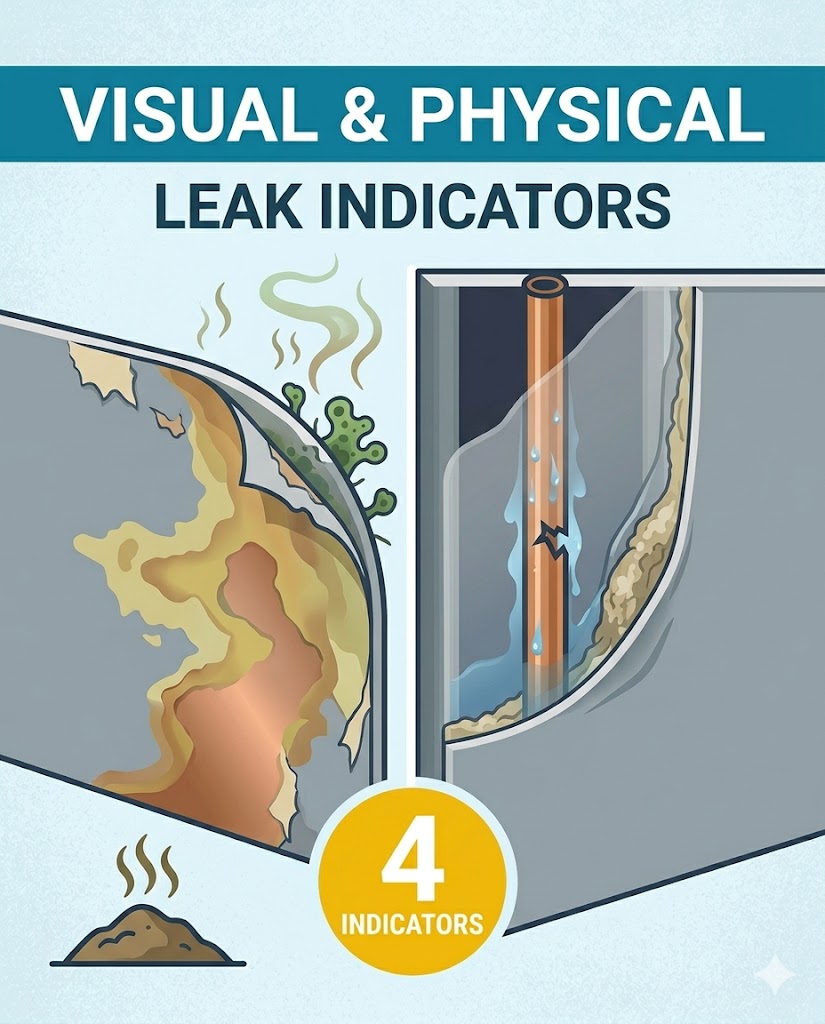
There is clear, localized evidence of water behind drywall.
Discoloration: Keep an eye out for water stains that are creeping over the drywall in shades of yellow, brown, or copper.
Texture changes include bubbling paint, peeling wallpaper, and soft, warped, or outward-bowed drywall.
Odor: Trapped moisture and the early stages of mold are indicated by a persistent musty or earthy odor.
Advertisement
 Hosting Renewal Goal: $0 / $400 raised, updated daily.
- Audio Detection:
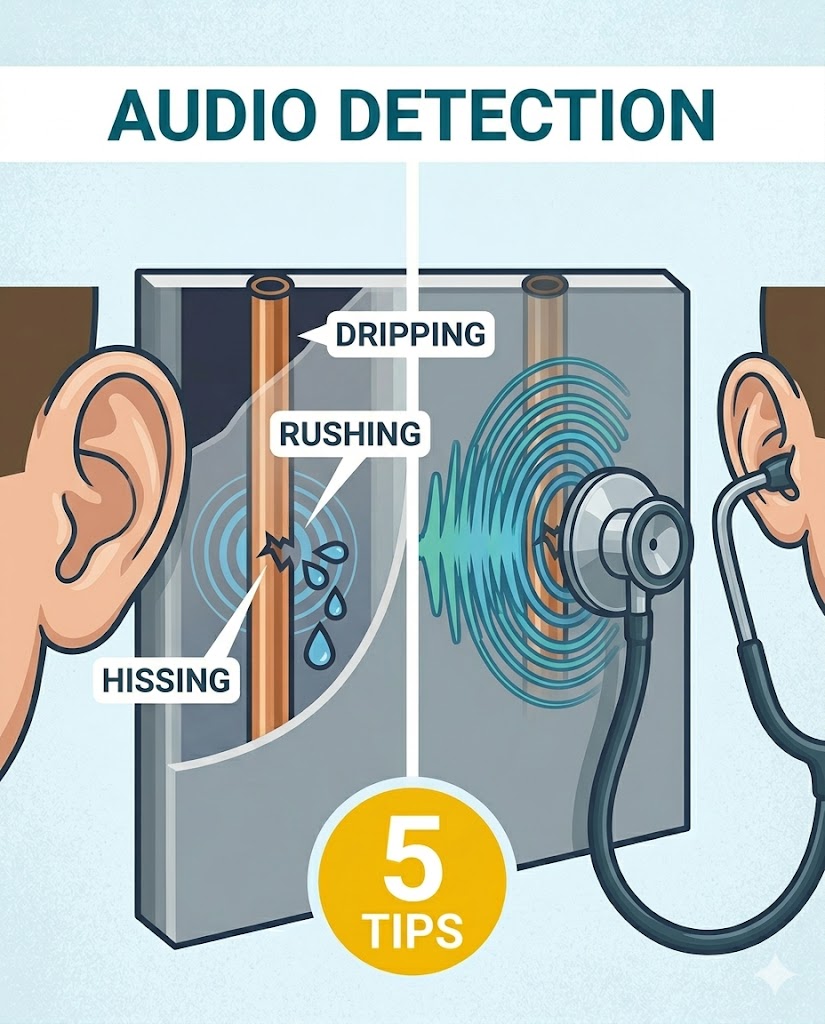
Noise is frequently produced when water escapes under pressure.
Press your ear to the wall in a house that is otherwise silent.
Keep an ear out for slight dripping, rushing, or hissing noises. The sound of water flowing behind the drywall can also be amplified by pressing a mechanic's stethoscope against it.
- Advanced Instruments for Diagnosis:
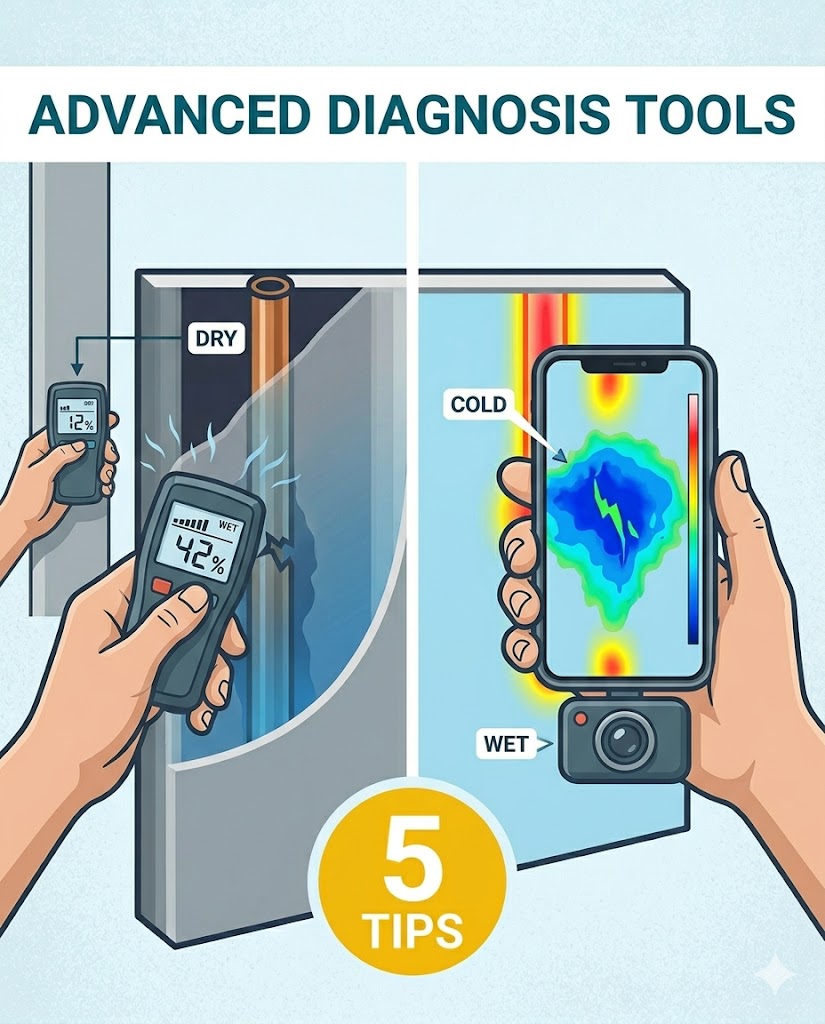
Use these tools for accuracy without drilling large holes in your walls:
Moisture Meters: To find moisture beneath the surface, pinless moisture meters can be placed up to drywall. To verify the wet zone, compare the readings in the questionable location to a dry wall portion elsewhere.
Thermal Imaging Cameras: Compared to dry drywall, wet drywall is marginally colder. By connecting to your smartphone, an infrared camera can map the precise location of the leak by highlighting these wet, cold spots.
- Verifying Using Inspection Holes:
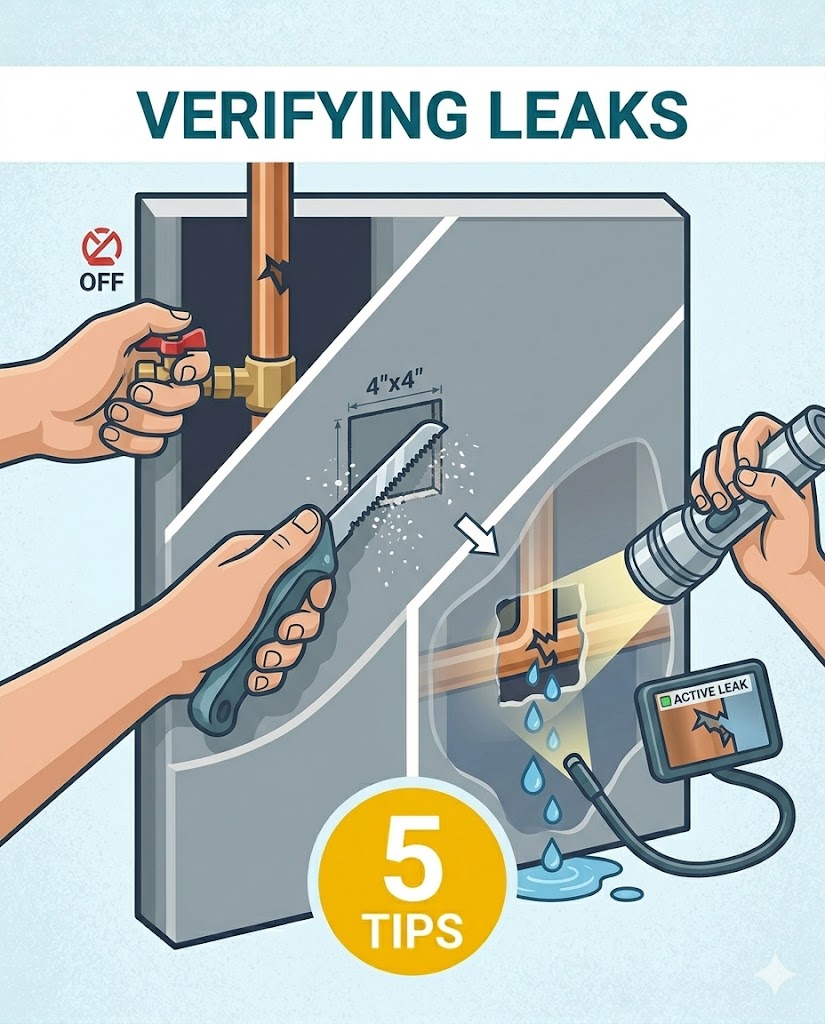
Cutting a "test hole" will allow you to visually confirm the leak once the damp area has been separated.
Cut off the main water supply to your house.
Cut a tiny 4x4-inch inspection hole in the drywall where you think there may be a leak using a drywall saw.
To check for active leakage or damaged pipes, shine a flashlight into the hollow or use a borescope camera.
Disclaimer, No Liability: The authors and publishers of this website are not professional contractors and assume no liability or responsibility for any injury, damage, or financial loss resulting from the use or misuse of the information provided herein. All DIY projects are undertaken entirely at your own risk.
Related Articles
Advertisement

5 Tips How to Spot Hidden Main Line Water Leaks Behind Drywall | Tricks and Tips for Life


Comments and Questions
Please log in to leave a comment or ask a question. Don't have an account? Register here.