8 Tricks and Tips for Eating Real Whole Foods
Discover 8 practical tricks and tips for eating real whole foods. Learn the 'add, don't subtract' strategy, smart grocery swaps, and simple meal prep ideas.
Home » Article » 8 Tricks And Tips For Eating Real Whole Foods
Eating whole foods entails ingesting natural, unprocessed foods that are high in nutrients and support improved health and well-being. Making the switch to genuine, whole foods doesn't need a drastic change all at once. Adding nutrient-dense foods to your meals instead of worrying about what to cut out is the most sustainable strategy. Make consuming items in their original state—such as fresh fruits, vegetables, and lean proteins—a priority in order to naturally displace highly processed meals.
1. What Are Whole Foods?
Foods that have had minimum processing and are devoid of artificial additives, preservatives, and added sugars are referred to as whole foods. Among them are:
- Fruits and Vegetables:
The foundation of a whole food diet is seasonal, fresh produce. To optimize nutritional intake, strive for a range of hues and varieties. Rich in vitamins, minerals, and dietary fiber, fruits and vegetables are vital, nutrient-dense pillars of a balanced diet. Consuming a wide range of vibrant produce promotes intestinal health, controls weight, and dramatically reduces the risk of long-term conditions including heart disease and several types of cancer.
- Whole Grains:
Select whole wheat, quinoa, brown rice, and oats over processed grains. They offer more nutrients and fiber. The fiber-rich bran, nutrient-rich germ, and starchy endosperm are the three original components of whole grains, which are unpolished grain seeds. They include vital fiber, iron, B vitamins, and antioxidants, which help control blood sugar, cut cholesterol, and minimize the risk of heart disease, unlike processed grains.
- Legumes:
Good sources of fiber and protein include beans, lentils, and peas. The large family of plants known as legumes (Fabaceae) produces seeds inside of pods. Beans, lentils, peas, and peanuts are all included in this adaptable group. They are nutritional powerhouses, providing a great, affordable source of dietary fiber, complex carbs, and plant-based protein. They are also very good for soil health in agriculture.
- Nuts and Seeds:
Packed with vital nutrients, protein, and good fats. Consume a range of nuts and seeds. Rich in dietary fiber, plant-based protein, and healthy fats, nuts and seeds are nutrient-dense powerhouses. They offer long-lasting energy and aid in blood sugar regulation. They are a staple of healthy diets since a typical handful (≈ 1 ounce) offers the perfect balance of macronutrients and vital micronutrients.
- Lean Proteins:
To satisfy your protein requirements, choose plant-based proteins, pasture-raised eggs, and grass-fed meats. Foods high in muscle-building amino acids yet low in total and saturated fat are known as lean proteins. Because they don't include the extra calories found in fattier cuts of beef, they are perfect for helping you control your weight, supporting heart health, and keeping you fuller for longer.
Top lean protein sources are chicken, turkey breast, white fish, shellfish, lean beef & pork, greek yogurt & cottage cheese, and eggs.
2. Benefits of a Whole Food Diet
- Better Nutrition:
Compared to processed foods, whole foods are higher in vitamins, minerals, and antioxidants because they are nutrient-dense. In order to increase your energy, control your weight, and fend off chronic illnesses like type 2 diabetes and heart disease, Better Nutrition focuses on regularly selecting nutrient-dense whole meals and beverages. Developing durable habits is more important than strict diets.
- Weight Management:
Because whole food diets are high in fiber, which increases satiety, they can aid in weight reduction and maintenance. In order to reach and maintain a healthy weight, weight management refers to the continuous adoption of good lifestyle practices, such as a balanced diet, frequent exercise, and stress reduction. It lowers the risk of weight-related illnesses like diabetes and high blood pressure by emphasizing long-term well-being over band-aid solutions.
- Better Digestion:
Whole foods' fiber promotes regularity and digestive health. Managing lifestyle variables, improving eating habits, and adjusting your food are all necessary to achieve healthier digestion. Bloating may be greatly reduced, constipation can be avoided, and a healthy gut flora can be supported by simple practices like chewing well, eating more fiber, and drinking enough of water.
- Decreased Risk of Chronic Illnesses:
Eating a diet high in whole foods may reduce the risk of diabetes, heart disease, and other long-term illnesses. Lifelong practices that postpone or prevent diseases including heart disease, type 2 diabetes, and some types of cancer lead to a lower chance of chronic illness. It mostly depends on sustainable lifestyle decisions, such eating a balanced diet and exercising often, together with regular medical exams to identify early warning indicators.
3. Tips for Transitioning to a Whole Food Diet
- Begin Slowly:
Increase the amount of whole foods in your meals at first, then progressively cut back on processed items.
- Cook at Home:
You can manage ingredients and steer clear of bad fats and hidden sugars when you prepare meals from home.
- Read Labels:
Examine labels to find items with few ingredients and steer clear of those with extra sugars and preservatives.
- Make a Meal Plan:
To guarantee balanced nutrition, develop a meal plan that incorporates a range of whole foods.
Advertisement
 Hosting Renewal Goal: $0 / $400 raised, updated daily.
4. Sample Grocery List
- Fruits:
oranges, berries, bananas, and apples
- Vegetables:
bell peppers, carrots, kale, and spinach
- Whole Grains:
whole grain bread, quinoa, and brown rice
- Legumes:
lentils, black beans, and chickpeas
- Nuts and Seeds:
Chia seeds, walnuts, and almonds
- Lean Proteins:
eggs, tofu, and chicken breast
You may enjoy tasty, nutrient-rich meals and improve your general health and well-being by concentrating on whole foods.
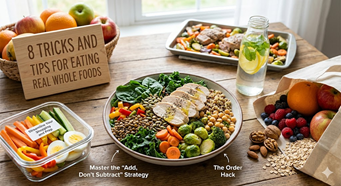
5. Master the "Add, Don't Subtract" Strategy
Try constructing your meals by starting with the best ingredients rather than concentrating on specific guidelines.
- The Plate Rule:
The plate rule states that during lunch and dinner, half of your plate should consist of non-starchy vegetables. Why It Works for Whole Food Diets;
Blood Sugar Stability: Because fiber and protein slow down digestion, blood sugar spikes are avoided and cravings are decreased.
Mindful Eating: Serving all of your meal on one plate promotes mindful eating by automatically establishing portion control and removing the desire to graze or return for seconds.
Nutrient Density: This graphic tool naturally steers you away from highly processed, packaged meals and toward full, unprocessed foods.
- The Order Hack:
Consume veggies first, followed by fats and proteins, and then carbs. By slowing down the absorption of glucose, this sequence helps avoid cravings and energy collapses. You can get a large, pre-made meal package for about $35 using the popular Whole Foods "Build Your Own Family Meal" trick. Rather than purchasing separate meals, you receive a single big to-go container that has two sides and a high protein entrée, easily producing four to six servings.
How the Order Hack Works;
1. Head to the Counter: Visit Whole Foods' prepared foods or hot bar area.
2. Make Your Decisions: Choose one protein (such as enormous meatballs, teriyaki salmon, or chicken breasts) and two sides (such as roasted fingerling potatoes, Brussels sprouts, or green beans).
3. Save and Portion: One big family-style tray is filled with everything by the staff.
4. This usually reduces the cost each dinner to only $6 to $9 when portioned out at home.
- Sneak Greens In:
Include spinach, kale, or squash in your regular morning stews, soups, or smoothies. Incorporating nutrient-dense vegetables (such as spinach, kale, or zucchini) into regular meals and sauces is known as "sneaking greens" into a whole food diet. Without changing the essential flavor of your favorite foods, it increases your daily dose of fiber, vitamins A, K, and folate.
Advertisement
Hosting Renewal Goal: $0 / $400 raised, updated daily.
6. Streamline Your Shopping and Prep
- Accept the Freezer Aisle:
Fruits and vegetables are flash-frozen when they are at their ripest, are very affordable, and last for several months.
- "Nature's Fast Food":
Make use of convenient whole foods such as hard-boiled eggs, almonds, seeds, pre-cut fruit, and chopped vegetables.
- Prepare After Shopping:
As soon as you arrive home from the market, wash, cut, and piece your fresh food into clear glass containers so it's ready to consume.
7. Smart Swaps for Daily Items
- Give Up Sugary Drinks:
Store-bought juices, sodas, and sweetened coffees are all loaded with hidden sugars. Replace them with unsweetened tea, sparkling water, or water.
- Upgrade the Essentials in Your Pantry:
Instead of purchasing heavily processed store-bought dressings and marinades, make your own using fresh herbs and extra virgin olive oil.
- Strategically Read Labels:
Examine the ingredient list if the product is packaged. Seek out brief, identifiable listings of the items you would often use in your own kitchen.
8. Changing Your Perspective
- Aim for Progress, Not Perfection:
Give your taste receptors time to adjust. Your body may need some time to become used to whole, less-sweet flavors if you often eat a lot of processed or sugary foods.
- Keep Things Easy:
Complicated recipes are not necessary. Simple sheet-pan meals that include roasting meats and veggies with olive oil and seasonings work just as well and are far less stressful.
Disclaimer: The information provided on this website is for educational and informational purposes only and is not intended as medical advice. Always consult a qualified healthcare professional before making any changes to your diet, exercise routine, or health regimen. Reliance on any information provided on this site is solely at your own risk.
Related Articles
Advertisement

8 Tricks and Tips for Eating Real Whole Foods | Tricks and Tips for Life

Comments and Questions
Please log in to leave a comment or ask a question. Don't have an account? Register here.