
Tricks and Tips for Finance and Money | Tricks and Tips for Life
Tricks and Tips for Finance and Money | Tricks and Tips for Life
28 articles (and growing) to help you master personal finance, budgeting, automating savings, tracking spending, making smart debt and investment decisions.
Home » Article » Finance And Money28 Articles About Finance and Money
Mastering your money means automating smart behaviors and avoiding costly mistakes. Begin by "paying yourself first", setting up auto-transfers so that a percentage of your income goes directly into savings before you spend it. Keep your regular spending in a checking account, but put your emergency fund in a High-Yield Savings Account to earn the most return.
Below, I've organized my articles by topic, budgeting, saving, debt, and long-term investing, so you can find exactly what you need to take control of your money.
Avoiding Scams
Keeping an eye out for scammers is essential to safeguarding your financial stability, identity, and peace of mind in a world that is becoming more and more digital. Beyond blatant junk email, fraudulent schemes have developed into extremely convincing phishing websites, phony investment offers, and impersonation techniques that prey on people of various backgrounds. Emptying bank accounts, compromising Social Security information, and long-term credit harm that takes months or years to repair are just a few of the serious repercussions of falling for a scam. You may create a crucial line of defense that keeps your private information safe and out of the hands of dangerous actors by implementing healthy behaviors like confirming sender identities, turning on multi-factor authentication, and refusing to act under extreme hurry.
7-minute read estimated
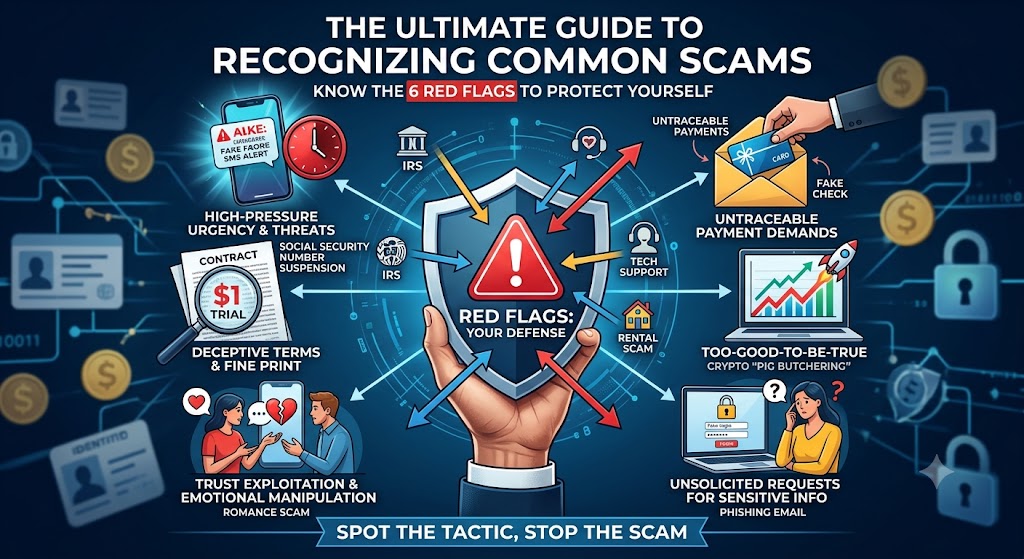
Avoiding Scams and Scam Awareness
Learn how to recognize and avoid common scams in the U.S. Protect your identity and finances by mastering the 6 red flags behind 22 popular scam tactics.
Learn how to recognize and avoid common scams in the U.S. Protect your identity and finances by mastering the 6 red flags behind 22 popular scam tactics.
Budgeting and Tracking
Creating a realistic budget is the cornerstone of financial wellness. Divide your income using frameworks such as the 50/30/20 rule: 50% for needs, 30% for wants, and 20% for savings or debt reduction. Track every dollar for at least 30 days using applications like Mint or YNAB to uncover wasteful costs and prevent impulse spending. Regularly analyzing your expenditure helps you see patterns and modify priorities.
8-minute read estimated
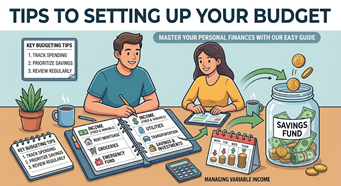
Tips to Setting Up Your Budget
Learn the best tips to setting up your budget, managing variable income, and saving money. Master your personal finances with our easy budgeting guide.
Learn the best tips to setting up your budget, managing variable income, and saving money. Master your personal finances with our easy budgeting guide.
12 Articles
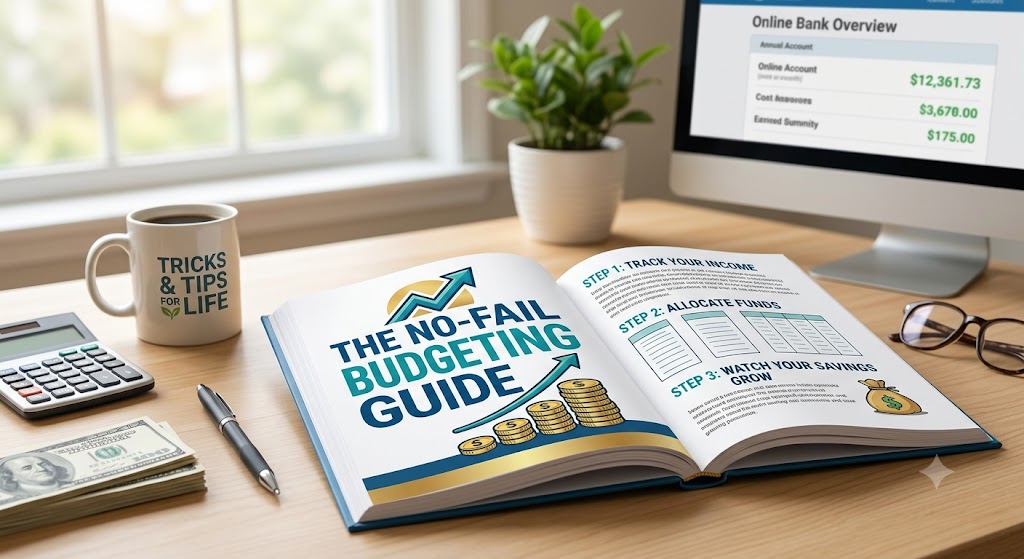
No-Fail Budgeting Guide
Take control of your money with my ultimate no-fail budgeting guide. Learn simple, actionable tips to save money, pay off debt, and reach your financial goals.
Take control of your money with my ultimate no-fail budgeting guide. Learn simple, actionable tips to save money, pay off debt, and reach your financial goals.
7-minute read estimated
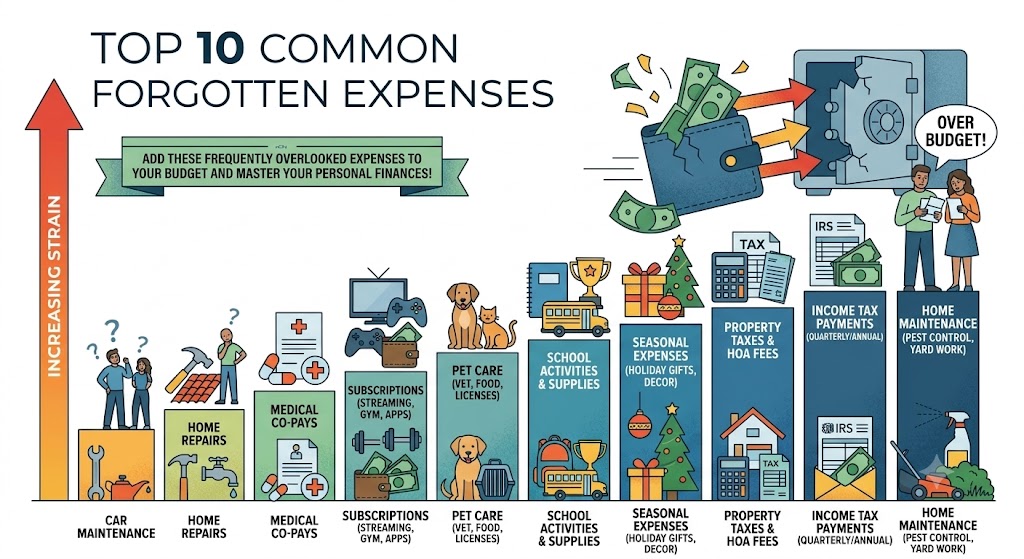
Top 10 Common Forgotten Expenses
Frequently overlooked household expenses like car maintenance, home repairs, medical co-pays, subscriptions, pet care, and school activities often strain budgets.
Frequently overlooked household expenses like car maintenance, home repairs, medical co-pays, subscriptions, pet care, and school activities often strain budgets.
Smart Spending Habits
Buy just what you need and can afford, even if it appears to be a wonderful price. Separate your savings and checking accounts to avoid temptation and preserve discipline. Use your budget to cover both necessary costs and pleasant pursuits, such as vacation or hobbies, without going overboard.
7-minute read estimated
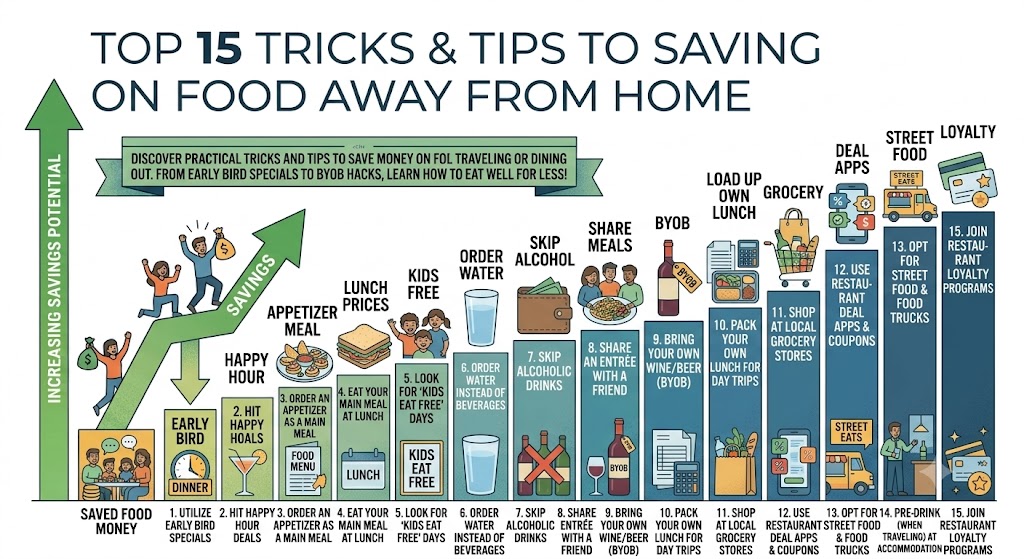
Top 15 Tricks and Tips to Saving Money on Food Away From Home
Discover 15 practical tricks and tips to save money on food while traveling or dining out. From early bird specials to BYOB hacks, learn how to eat well for less.
Discover 15 practical tricks and tips to save money on food while traveling or dining out. From early bird specials to BYOB hacks, learn how to eat well for less.
8-minute read estimated
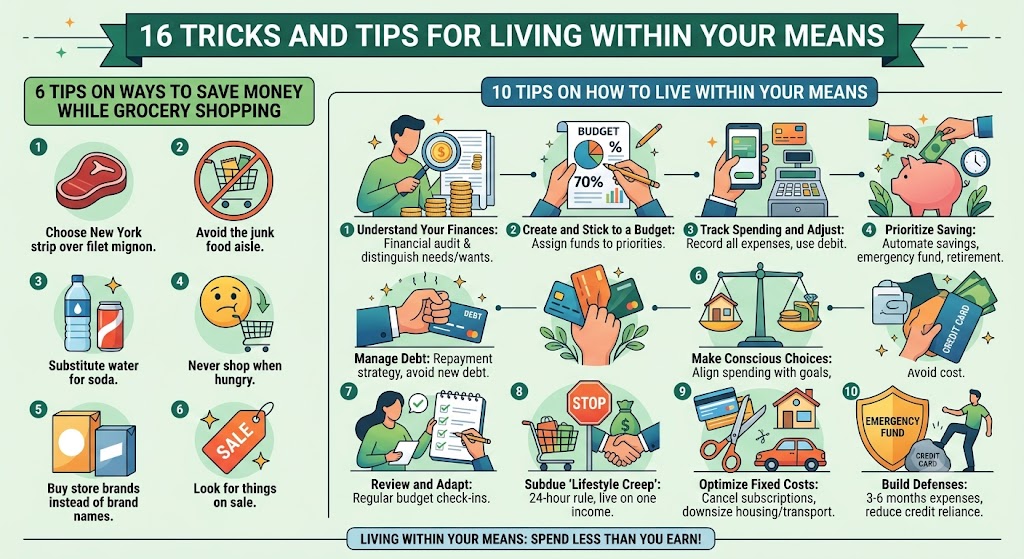
16 Tricks and Tips for Living Within Your Means
Discover 16 practical tips for living within your means—from smart budgeting and grocery savings to debt management and retirement planning.
Discover 16 practical tips for living within your means—from smart budgeting and grocery savings to debt management and retirement planning.
Build an Emergency Fund
An emergency fund serves as a financial buffer against unforeseen expenditures such as medical bills or job loss. Set aside 3-6 months of living costs in a high-yield savings account to earn interest while having cash accessible. This fund eliminates the need to rely on high-interest credit cards during emergencies.
2-minute read estimated
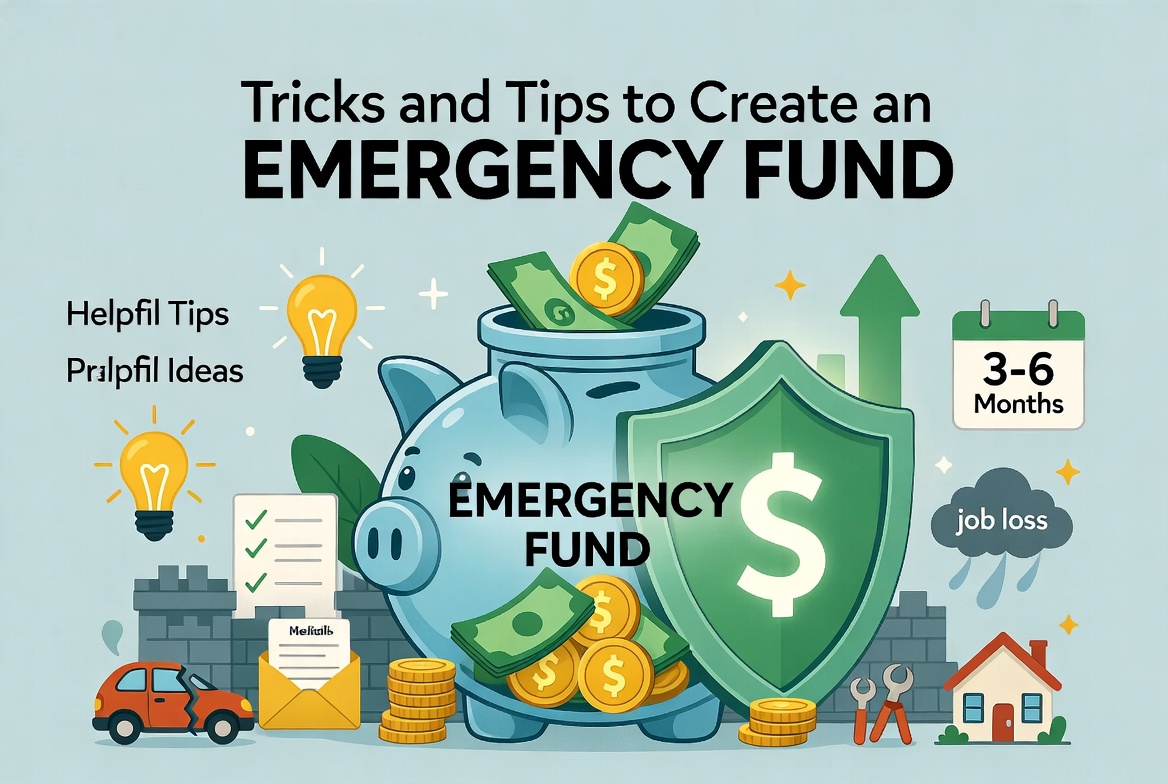
Tricks and Tips to Create an Emergency Fund
An emergency fund is a dedicated cash reserve, ideally 3 to 6 months of essential living expenses, used for unexpected financial shocks like job loss, medical bills, or major car/home repairs.
An emergency fund is a dedicated cash reserve, ideally 3 to 6 months of essential living expenses, used for unexpected financial shocks like job loss, medical bills, or major car/home repairs.
Automate Savings and Investments
Automation lowers decision fatigue while ensuring continuous development. Set up automatic transfers to savings or investing accounts right after paycheck. Many applications, like Chime, Ally, and Capital One, provide features like rounding up transactions to conserve extra cash. Automated contributions have been demonstrated to boost savings by more than 20% over five years.
8-minute read estimated
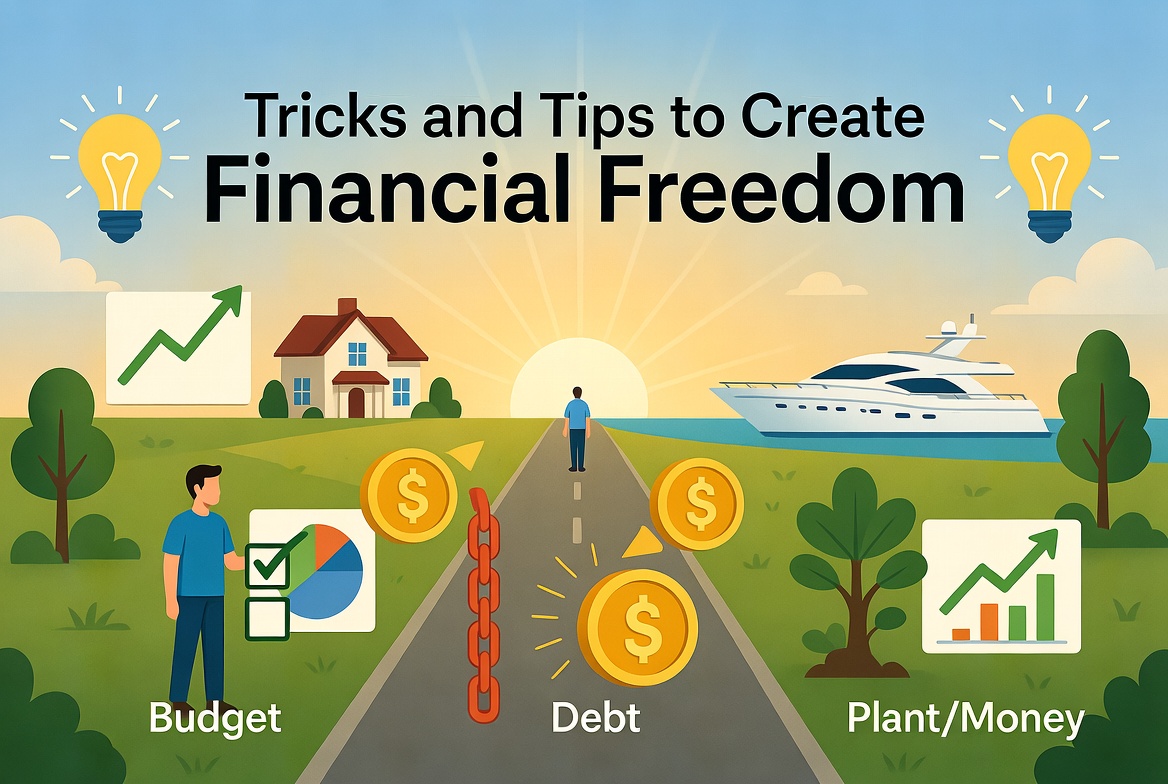
Tricks and Tips to Create Financial Freedom
If you want financial freedom, start by setting up a budget, getting out of debt, and investing in dividend stocks to build lasting wealth.
If you want financial freedom, start by setting up a budget, getting out of debt, and investing in dividend stocks to build lasting wealth.
Manage Debt Wisely
Pay off high-interest debts first, such as credit cards, to reduce compound interest charges. If combining or refinancing your debts decreases your interest rate, consider doing so. Avoid incurring excessive debt, and prioritize important purchases within your budget.
6-minute read estimated
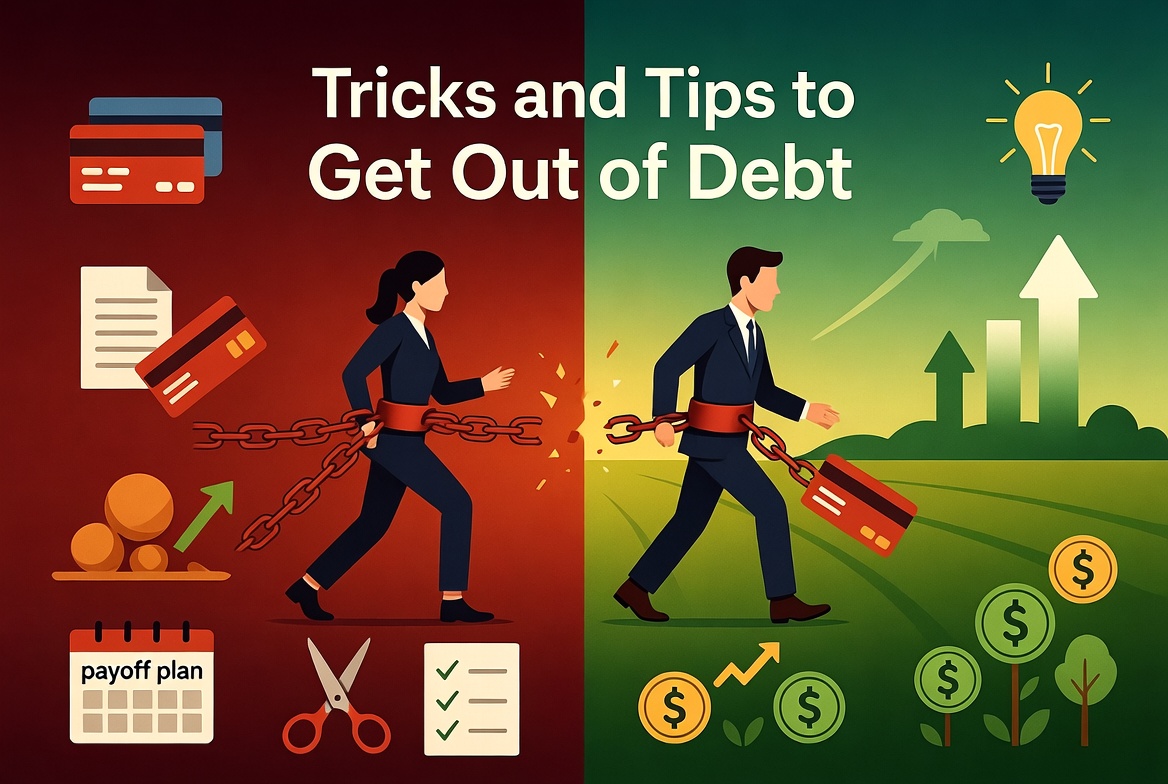
Tricks and Tips to Get Out of Debt
Master your money with practical tricks and tips to get out of debt. Learn actionable strategies to pay off balances faster and reclaim your freedom.
Master your money with practical tricks and tips to get out of debt. Learn actionable strategies to pay off balances faster and reclaim your freedom.
5-minute read estimated
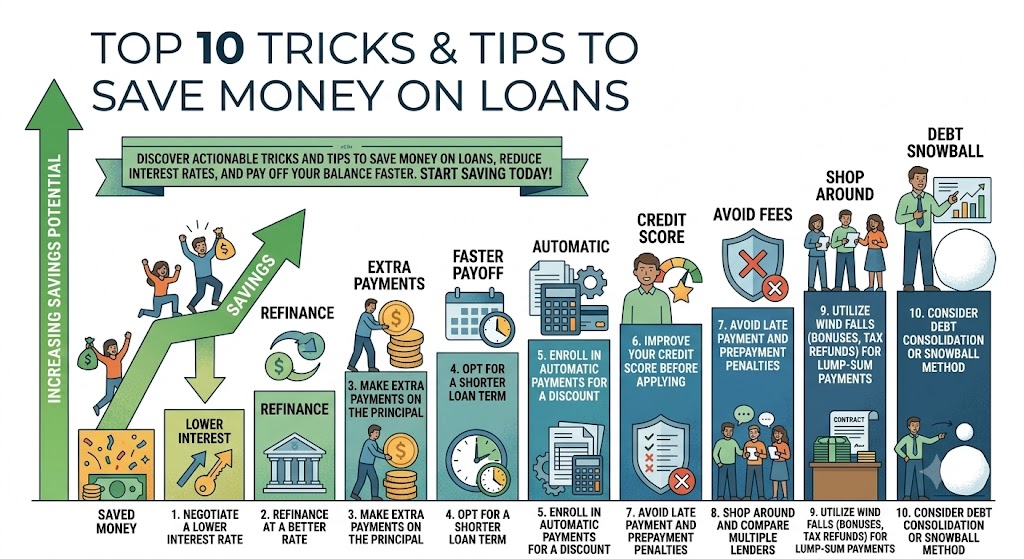
Top 10 Tricks and Tips to Save Money on Loans
Stop overpaying for your debt! Discover actionable tricks and tips to save money on loans, reduce interest rates, and pay off your balance faster. Start saving today.
Stop overpaying for your debt! Discover actionable tricks and tips to save money on loans, reduce interest rates, and pay off your balance faster. Start saving today.
Long-Term Strategies
Start investing early to benefit from compound growth. Diversify your investments amongst equities, bonds, and retirement funds. Regularly examine and change your portfolio to reflect shifting goals and market conditions. Small, persistent acts over time can result in huge financial rewards. Budgeting, automation, debt management, emergency planning, and wise spending may help you develop a solid financial foundation and attain long-term financial freedom.
7 articles
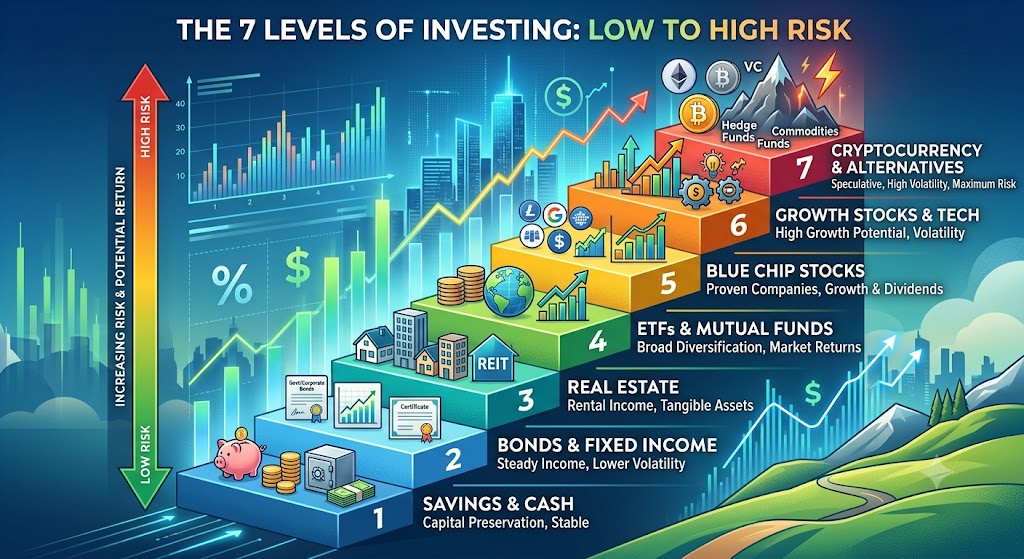
Tips for 7 Levels of Investing from Low to High Risk
Explore the 7 levels of the investment risk ladder. Learn to balance low-risk capital safety with high-yield asset strategies to grow wealth.
Explore the 7 levels of the investment risk ladder. Learn to balance low-risk capital safety with high-yield asset strategies to grow wealth.
Disclaimer, Due Diligence Required: Financial markets, tax laws, and economic regulations change frequently and vary by jurisdiction. You should always perform your own independent research, complete thorough due diligence, and consult with a licensed financial advisor, certified public accountant (CPA), or legal professional before making any financial decisions or putting capital at risk. The owners and publishers of this website assume no liability for any financial losses or damages resulting from the use of this information.
Advertisement
Tricks and Tips for Finance and Money | Tricks and Tips for Life